
-
Health impacts of donor milk for pre-term babies
Professor Alice Rumbold is Theme Leader of SAHMRI Women and Kids, managing a multidisciplinary research team focussed on improving health outcomes for women, babies and families. She also holds an affiliate position as a Research Leader within the Robinson Research Institute at the University of Adelaide.
An epidemiologist and health services researcher, she is internationally renowned for her leadership of large-scale clinical trials, epidemiological studies and systematic review activities to improve perinatal and reproductive health care. She is passionate about improving health outcomes for women and babies, particularly those experiencing vulnerability. Her current research interests include preterm birth, breastfeeding, human milk banking and infertility
-
Immune mechanisms of coeliac disease and gluten-related disorders
Professor Jason Tye-Din is head of the Coeliac Research Laboratory at WEHI and a gastroenterologist at the Royal Melbourne Hospital. His expertise spans the immune mechanisms of coeliac disease, clinical care of gluten-related disorders, diagnostic discovery and pre-clinical and clinical drug development. His work aims to improve the health and quality of life of people suffering gastrointestinal immune diseases, particularly those caused by gluten and other foods.
-
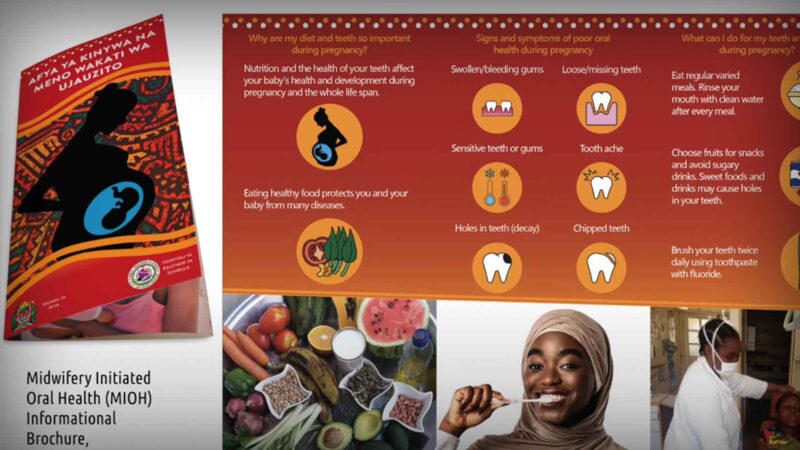
Integrated Oral Health Care
Dr Ajesh George is a Professor of Interprofessional Oral Health in the School of Nursing and Midwifery, Western Sydney University (WSU) and Honorary Professor in the School of Dentistry at The University of Sydney. He is a dentist with extensive experience in integrated oral health care and is a renowned expert globally in providing oral health training to non-dental professionals and translating oral health guidelines into their practice. Dr George is also the Director and Co-founder of the “Australian Centre for Integration of Oral Health” (ACIOH) which is a leading national research centre led by WSU in collaboration with various partners including universities, health services and professional organisations.
Post Views: 1,304
Clinical pathways for acute care in Tasmanian Emergency Departments


Recent Segments
- Drug delivery of targeted therapies for pancreatic cancer, motor neurone disease
- Physiotherapist-led care for musculoskeletal conditions in the emergency department
- RESEARCH IMPACT: 32 years of understanding, diagnosing, treating & preventing the onset of heart disease
- Research Australia Awards celebrate researchers in life-changing science and discovery
- Connecting Students with Careers in MedTech