
 https://orcid.org/0000-0002-8003-3704
-
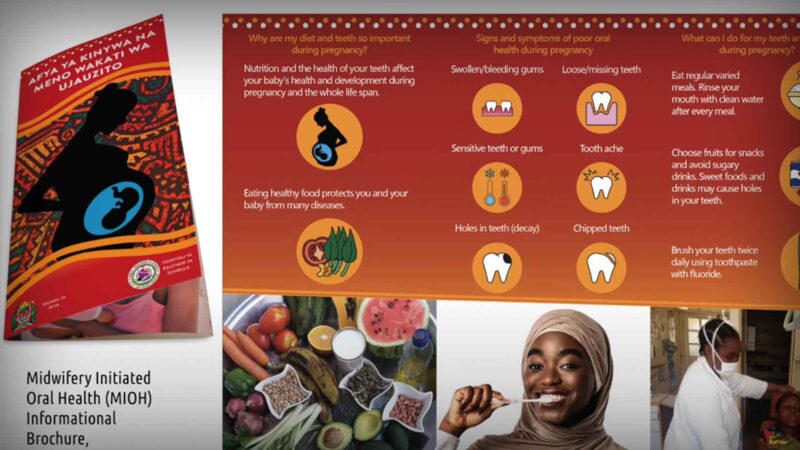
Integrated Oral Health Care
Dr Ajesh George is a Professor of Interprofessional Oral Health in the School of Nursing and Midwifery, Western Sydney University (WSU) and Honorary Professor in the School of Dentistry at The University of Sydney. He is a dentist with extensive experience in integrated oral health care and is a renowned expert globally in providing oral health training to non-dental professionals and translating oral health guidelines into their practice. Dr George is also the Director and Co-founder of the “Australian Centre for Integration of Oral Health” (ACIOH) which is a leading national research centre led by WSU in collaboration with various partners including universities, health services and professional organisations.
-
Exercise program for the prevention of osteoporotic fracture
Dr Beck is an international leader in the effects of mechanical loading on bone health. Dr Beck graduated from The University of Queensland (BHMS[Ed]) and the University of Oregon (MSc and PhD) and completed a postdoctoral research fellowship in the Stanford University School of Medicine (California, USA.) She is a Professor of Exercise Science at Griffith University Gold Coast campus, where she has led the Bone Densitometry Research Laboratory since 2004.
-
Enhancing occupational therapy service provision with military veterans
Prof McKinstry was instrumental in the development of the occupational therapy course at the La Trobe University’s Bendigo campus and also the establishment of the Rural Health School.
Prof McKinstry’s research focus is on health workforce, particularly developing a sustainable rural health workforce through recruitment of rural students for health courses, innovative and flexible delivery of health courses, telehealth and emerging areas of practice for occupational therapists.
Post Views: 1,441
Mental wellbeing in rural and regional communities dealing with environmental challenges


Recent Segments
- Drug delivery of targeted therapies for pancreatic cancer, motor neurone disease
- Physiotherapist-led care for musculoskeletal conditions in the emergency department
- RESEARCH IMPACT: 32 years of understanding, diagnosing, treating & preventing the onset of heart disease
- Research Australia Awards celebrate researchers in life-changing science and discovery
- Connecting Students with Careers in MedTech