
-
Values in Workplace Culture
Professor Sabe Sabesan, is the Clinical Dean of the Townsville Regional Medical Training network incorporating the Townsville Hospital and Health Services and the Townsville Clinical School of the James Cook University and the director of the department of Medical oncology at the Townsville Cancer Centre, Townsville Hospital.
The Professor recently wrote, “Workforce wellness and engagement have become buzzwords in healthcare settings since there is an intimate relationship between staff wellbeing and performance of the healthcare system. Wellness initiatives such as wellness champions and wellness committees have been set up in response to emerging workforce mental health issues. These are largely reactive rather than being proactive in addressing or preventing the root cause of mental health issues.”
-
Victorian social prescribing program underway
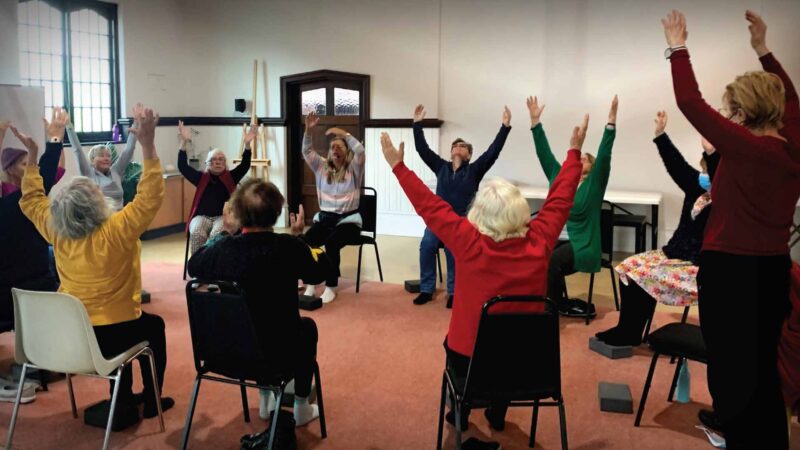
n Part 2 of the Models of Care on Social Prescribing, Australian Health Journal spoke to 4 people involved in the Connect Local program under the Connecting Communities to Care 4 year program. The free program for over 65’s promotes wellbeing through social connection and is underway in the Glen Eira community in Melbourne.
– Deidre McGill, Executive General Manager, At Home Support, Bolton Clarke
– Ann Van Leerdam, Connect Local Community Connector, Bolton Clarke
– Dr Rajna Ogrin, Senior Research Fellow, Bolton Clarke Research Institute, Bolton Clarke - Dr Daniel Fineberg, Deputy Director General Medicine, Alfred Hospital, Victoria -
National Cancer Plan activates Australian Comprehensive Cancer Network
The landscape of cancer care in Australia is set to transform with the Australian Government launch in May 2024 of the Australian Comprehensive Cancer Network (ACCN) at the Innovations Showcase event, hosted by Cancer Australia in Sydney, Australia.
The ACCN is a nationally integrated system of cancer care, aimed at enhancing patient experiences and outcomes through coordinated and equitable access, by linking to comprehensive cancer services across Australia. Anchored by Comprehensive Cancer Centres (CCCs), the ACCN strives to deliver evidence-driven prevention, diagnosis, treatment, and support to all Australians affected by cancer.
Post Views: 1,346
Metabolic health expert talks about healthy ageing


Recent Segments
- Physiotherapist-led care for musculoskeletal conditions in the emergency department
- RESEARCH IMPACT: 32 years of understanding, diagnosing, treating & preventing the onset of heart disease
- Research Australia Awards celebrate researchers in life-changing science and discovery
- Connecting Students with Careers in MedTech
- HEALTH CARE BRIEF: Shingles (Herpes Zoster)