
-
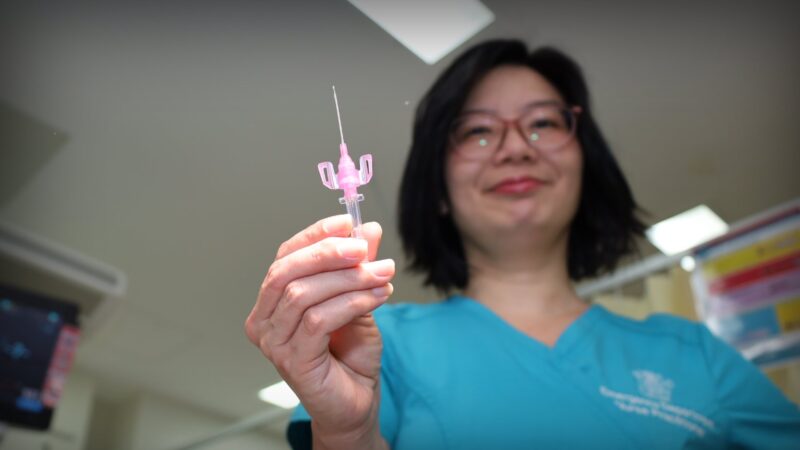
Peripheral intravenous catheter management
Dr Grace Xu is a clinician-researcher, senior nurse practitioner, and emerging implementation scientist with more than 16 years of emergency nursing experience. She is a Fellow of the College of Emergency Nurses Australasia and a Centaur Fellow. She also leads the Early Career Researcher/Clinician Researcher portfolio within the Alliance for Vascular Access Teaching and Research group.
-
Pancreatic and lung cancers driven by mutations in the cancer gene KRAS
Dr Mara Zeissig is a recently appointed Lab Head within the Tumour Inflammation and Immunotherapy Program at the South Australian immunoGENomics Cancer Institute (SAiGENCI).
Her research focuses on studying immune evasion mechanisms in lung and pancreatic cancers to identify novel ways to increase response to immunotherapy. Her expertise is in genetically engineered mouse models of lung cancer, CRISPR-Cas9 screening technologies and T cell based immunotherapies (e.g Checkpoint inhibitors). -
Supportive care for people living with or beyond cancer treatment
Dr Hannah Wardill is a Hospital Research Foundation Fellow and lead of the Supportive Oncology Research Group (SORG), in the School of Biomedicine, University of Adelaide and Precision Cancer Medicine Theme, South Australian Health and Medical Research Institute (SAHMRI). She is an Executive Board Member of the Multinational Association for Supportive Care in Cancer / International Society for Oral Oncology (MASCC/ISOO) and Chair of both MASCC/ISOO Patient Partnership Committee & the Palliative Care Clinical Studies Collaborative (PaCCSC) Cancer Symptom Trials (Gut Dysfunction Node; supported by Cancer Australia).
Post Views: 2,085
Role of metabolic dysfunction in advanced prostate cancer


Recent Segments
- Research Australia Awards celebrate researchers in life-changing science and discovery
- Connecting Students with Careers in MedTech
- HEALTH CARE BRIEF: Shingles (Herpes Zoster)
- Large-scale clinical and population-based research
- Avoiding lung complications after surgery by reversing muscle relaxant drugs more effectively