IMPACT OF NEXTSENSE INSTITUTE RESEARCH IN THE FIELD OF SENSORY DISABILITIES
With
Professor Greg Leigh AO,
Director, NextSense Institute, Australia &
Conjoint Professor,
Macquarie School of Education
Macquarie University, Sydney
RESEARCH IMPACT
Filmed in Sydney, Australia | June 2025
NextSense, formerly known as the Royal Institute for Deaf & Blind Children, is a not-for-profit established in 1860 that provides dedicated, innovative, and customised services aimed at breaking down barriers for children, adults and families of people with hearing or vision loss.
NextSense has a 165 year history of providing services and education for individuals with sensory impairments. With the support of donations, NextSense provides vital support for children and adults, more cochlear implants than any other service in Australia, and is a world leader for research, technology and professional education in the fields of visions and hearing loss.
NextSense clinicians are actively involved in a number of leading research projects—both independently and in collaboration with local and international organisations.
The NextSense Institute, part of NextSense is Australia’s leading centre for research and professional education in the field of sensory disabilities.
The Institute offers a range of educational programs, including postgraduate degrees, professional development courses, and customised training for educators, therapists, health professionals, and carers. One of its flagship programs is the Master of Disability Studies, delivered in affiliation with Macquarie University, which prepares professionals to work with individuals who are deaf, hard of hearing, blind, or have low vision.
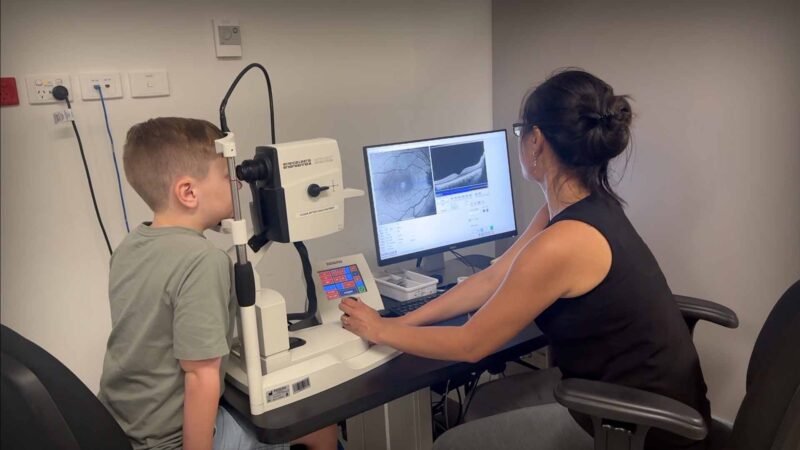
Professor Greg Leigh AO, Director NextSense Institute, talks about 3 areas of research that have had significant impact in it’s delivery of programs and services to Australians and countries across the world.
Through this research, NextSense Institute aims to break down barriers and redefine what is possible for individuals with sensory disabilities, fostering inclusion and enhancing quality of life.
Source: Written by AUDIENCED using source information from the NextSense website
You Might also like
-
Elite athlete physical and mental health impact performance
Understanding the interaction between genes and lifestyle factors in response to stress can lead to potential therapeutic interventions for stress-related disorders. This research is crucial for promoting health and well-being.
Professor Divya Mehta works as a Principal Research Fellow at the Stress Genomics Laboratory, in Queensland University of Technology in Australia, specialising in stress genomics and mental health. Her education started in the UK with undergraduate and Masters, followed by her PhD in Germany. 11 years ago Professor Mehta moved to Australia.
-
Corneal and Ocular Surface Immunology and Regeneration
Assoc Professor Holly Chinnery’s career in ocular immunology began with a focus on animal models; however, it has recently transitioned into clinical imaging studies involving human research participants. The ability to visualise the immune system and sensory nerves in the human cornea represents a significant advantage in corneal immunology and neuroimmunology research.
-
Mechanisms of resistance to menin inhibitor therapy and Acute Myeloid Leukaemia
Dr Rithin Nedumannil (MBBS, MPH, FRACP, FRCPA) is a PhD candidate at the University of Melbourne, undertaking his doctoral studies in collaboration with the Cambridge Stem Cell Institute (Cambridge, UK) and the Peter MacCallum Cancer Centre (Melbourne, Australia). He is a clinical haematologist and haematopathologist with current appointments at Peter MacCallum Cancer Centre, the Royal Melbourne Hospital, Austin Health and Northern Health.