
-
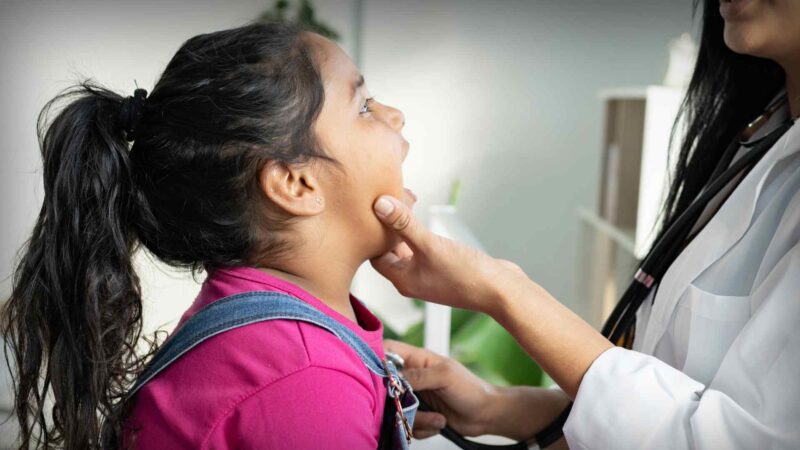
Indigenous Australian health and ear disease
Professor Kelvin Kong feels incredibly fortunate to lead a fulfilling life surrounded by his loved ones. With a demonstrated history of service in the health industry, he brings a wealth of expertise across various sectors including clinical research, medical education, surgery, paediatrics, health policy, and Indigenous education. Kelvin started his university, residing at New College in 1992, which brings him fond memories. Graduating from medicine from the University of NSW, Kelvin continued his studies and became a fellow of the Royal Australasian College of Surgeons (RACS) and Australian Society of Otolaryngology, head & neck Society (ASOHNS).
-
Interventions for improving outcomes of children who are deaf or hard of hearing
Dr Rithin Nedumannil (MBBS, MPH, FRACP, FRCPA) is a PhD candidate at the University of Melbourne, undertaking his doctoral studies in collaboration with the Cambridge Stem Cell Institute (Cambridge, UK) and the Peter MacCallum Cancer Centre (Melbourne, Australia). He is a clinical haematologist and haematopathologist with current appointments at Peter MacCallum Cancer Centre, the Royal Melbourne Hospital, Austin Health and Northern Health.
-
Understanding the experience of pain for novel brain-based treatments
Associate Professor Tasha Stanton leads the Persistent Pain Research Group at SAHMRI. She is also co-Director of IIMPACT in Health at the University of South Australia, Adelaide. She is a clinical pain neuroscientist, with original training as a physiotherapist, and her research focusses on pain – why do we have it and why doesn’t it go away?
Post Views: 2,019
Computer science approach to detecting dementia


Recent Segments
- Drug delivery of targeted therapies for pancreatic cancer, motor neurone disease
- Physiotherapist-led care for musculoskeletal conditions in the emergency department
- RESEARCH IMPACT: 32 years of understanding, diagnosing, treating & preventing the onset of heart disease
- Research Australia Awards celebrate researchers in life-changing science and discovery
- Connecting Students with Careers in MedTech