
-
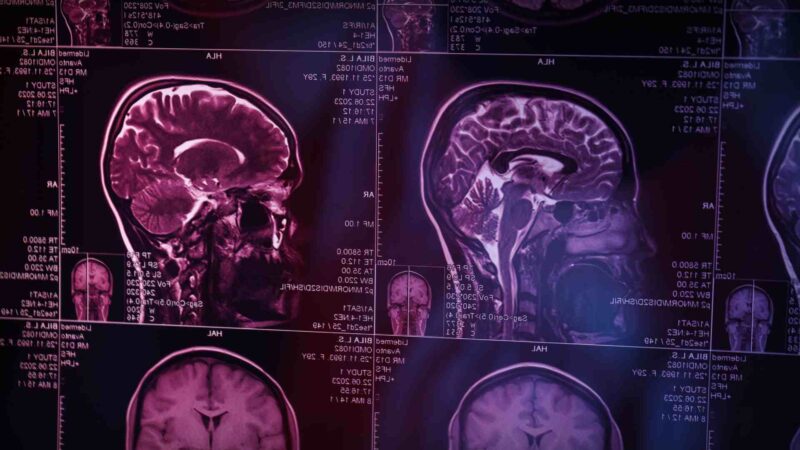
Cellular mechanisms of traumatic brain injury & concussion
Professor Melinda Fitzgerald is Deputy Vice Chancellor, Research at Curtin University, John Curtin Distinguished Professor and CEO of Connectivity Traumatic Brain Injury Australia.
She has published over 135 papers; recent highlights include Lancet Neurology, J Neuroscience, Nature Nano, ACS Nano, Biomaterials. Currently held grants/Projects total $10.1 million; CIA for $5.2 million of these; $18.5 million total research and equipment funding, $9.9 million as CIA; continuous category 1 grant funding as CIA since 2009.
-
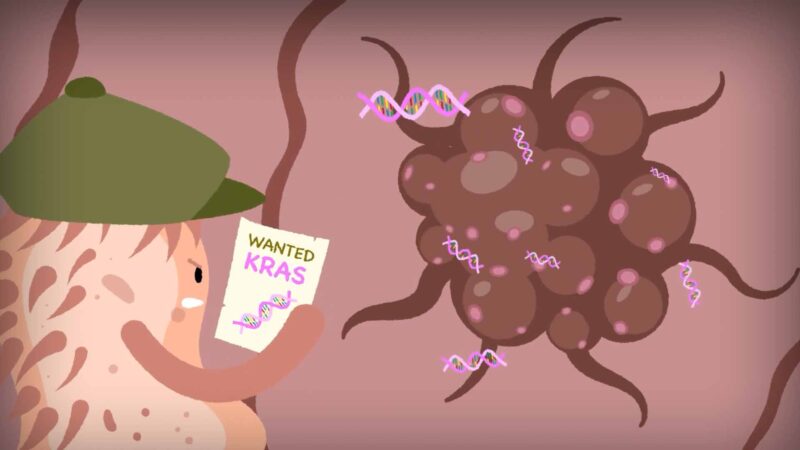
Touched by bowel cancer and chasing science outcomes
Dr Josephine Wright is a Senior Research Fellow in the Gut Cancer group. She has been developing a translational network of labs, hospitals and clinics to enable validation of new approaches to prevent and treat colorectal and gastric cancer. Her key focus is studying human tumour organoids to better personalise therapy in cancer.
-
Clinical pathways for acute care in Tasmanian Emergency Departments
Assoc Prof Viet Tran has built Emergency Medicine Research in Tasmania from the ground up, which has culminated in the success of a AUD$3 million Australian Government Medical Research Futures Fund grant looking into the Implementation of Clinical Pathways for Acute Care in Tasmania project. Dr Tran is also the Emergency Medicine Discipline lead within the Tasmanian School of Medicine and has key roles to play within Emergency Medicine training. He feels privileged to be able to teach and mentor across the whole spectrum of becoming a doctor, from watching students grow into junior doctors, senior registrar and as fellow medical specialists.

Recent Segments
- Drug delivery of targeted therapies for pancreatic cancer, motor neurone disease
- Physiotherapist-led care for musculoskeletal conditions in the emergency department
- RESEARCH IMPACT: 32 years of understanding, diagnosing, treating & preventing the onset of heart disease
- Research Australia Awards celebrate researchers in life-changing science and discovery
- Connecting Students with Careers in MedTech