
-
Using Gut Microbes to Reduce Blood Pressure
Professor Francine Marques is an National Health and Medical Research Council Emerging Leader, Viertel Charitable Foundation, and National Heart Foundation Fellow.
She leads the Hypertension Research Laboratory at Monash University and has published more than 120 peer-reviewed papers in journals such as Nature Reviews Cardiology, Nature Medicine, Nature Cardiovascular Research, and Circulation.
-
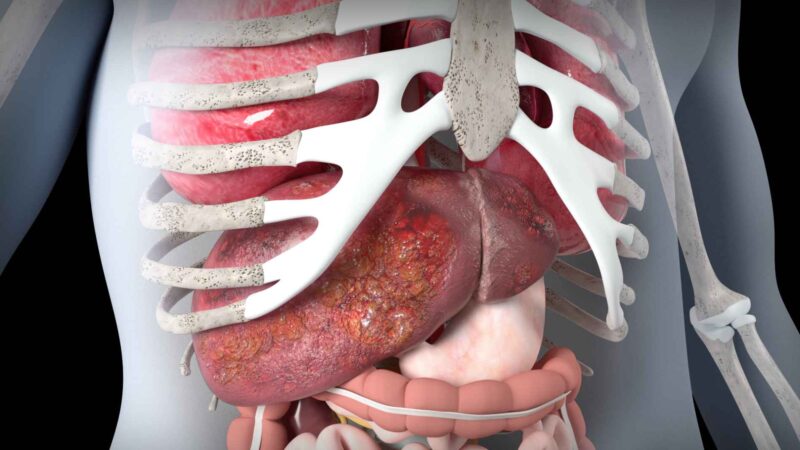
Therapy to prevent hepatocellular carcinoma in people with liver cirrhosis
Professor John Olynyk is a Gastroenterologist & Hepatologist with over 30 years’ experience, primarily at The Fiona Stanley & Fremantle Hospital Group. He planned the Gastroenterology and Hepatology Service for the Fiona Stanley Hospital and was Head Department from 2010 until 2020.
Professor John Olynyk was appointed as Associate Dean and Head of the Medical Discipline at Curtin University in 2023 until 2025 and is now Associate Director, Clinical Engagement, Curtin Medical Research Institute, Curtin University.
-
Liver cancer biomarkers, risk prediction & progression
Dr. Rodrigo Carlessi is an expert in Cancer Genomics and Molecular Biology, with an extensive track record in liver cancer research. He leads the Cancer Genomics Group within the Liver Disease and Regeneration Laboratory at the Curtin Medical Research Institute. He has an impressive publication record, with 43 manuscripts that have collectively garnered over 2,680 citations. His research leverages cutting-edge genomics and transcriptomics technologies, as well as long-read DNA sequencing, to explore mechanisms, identify biomarkers, and develop therapeutic targets in liver disease and cancer.
Post Views: 1,302
Clinical pathways for acute care in Tasmanian Emergency Departments

Recent Segments
- Drug delivery of targeted therapies for pancreatic cancer, motor neurone disease
- Physiotherapist-led care for musculoskeletal conditions in the emergency department
- RESEARCH IMPACT: 32 years of understanding, diagnosing, treating & preventing the onset of heart disease
- Research Australia Awards celebrate researchers in life-changing science and discovery
- Connecting Students with Careers in MedTech