
-
Allied Health Building Leadership Experience in Tasmania
A notable program run by Hospitals South is the ABLE program, or Allied Health Building Leadership Experience. This program was created to address the challenge of allied health professionals being seen as a single entity, rather than as individual disciplines, when it comes to leadership and management opportunities. The program is delivered entirely internally, with seminars presented by senior staff and mentorship opportunities for participants to become more effective representatives of allied health in meetings and working groups.
-
Access and productivity outcomes with radiology technology in Western Sydney
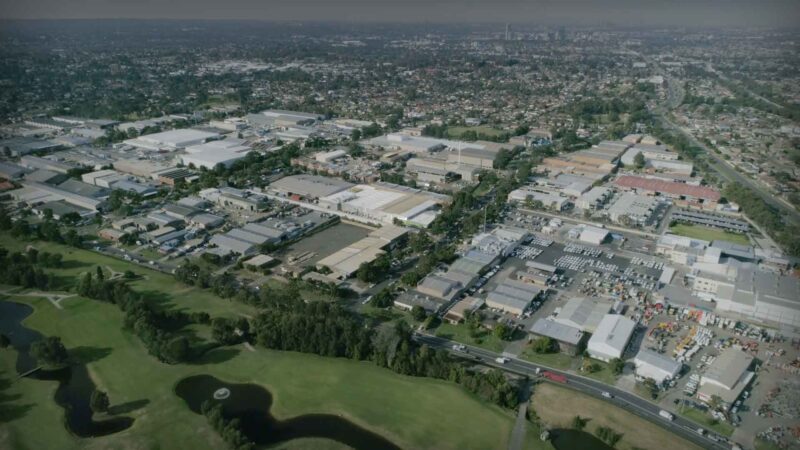
In Western Sydney, there is currently significant growth accompanied by a notable need for cardiovascular support due to the prevalence of related diseases. It is estimated that the population in this area will reach 6 million by 2041.
With this population growth, there is also a pressing shortage of healthcare professionals in Australia, particularly in the field of radiology, where there are not enough radiographers, sonographers, MRI technicians, and nuclear medicine technicians.
-
How I Became an Emergency Physician
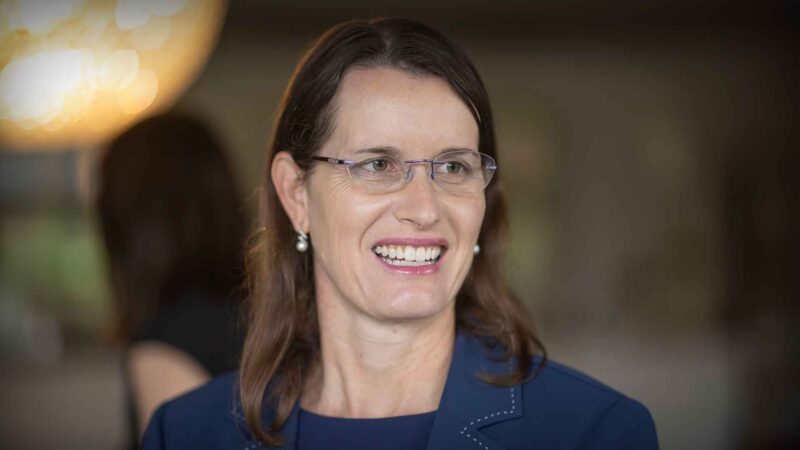
Dr Kim Hansen was initially attracted to emergency medicine because of its dynamic and chaotic environment. She enjoyed organising the chaos of the emergency department and working with a variety of patients, from newborn babies to centenarians. Dr Hansen found it fulfilling to help people get better or provide them with assistance and guidance when they couldn’t be cured. The unpredictability of the work was also part of the appeal, and she dedicated herself to developing the skills required to be a good emergency doctor.
Post Views: 2,282
Sharing the same goals in value-based procurement

Recent Segments
- Addressing Australia’s Bowel Cancer Screening Participation Gap
- Cellular and molecular mechanisms of skeletal muscle repair and regeneration
- Driven by purpose, defined by generosity and guided by a vision for better health
- Physiotherapist-led care for musculoskeletal conditions in the emergency department
- Reaching new immune health frontiers through collaborations & industry engagement