
-
Alfred Hospital leading in pharmacy services for critically unwell patients
Cristina Roman, is the Lead Pharmacist at Alfred Emergency Trauma Centre. In her 12 years working in the Emergency Department, Cristina has established pharmacy services, and filled gaps in patient care with new models of care.
One of those models of care adopted by the US and other countries, is involving pharmacists for critically unwell patients that present to the emergency department.
Australian Health Journal spoke with Cristina Roman and Lisa Bremner, Advanced Training Resident Pharmacist at Alfred Hospital Emergency Trauma Centre.
-
Diary of a Paramedic in a primary health care clinic
Alecka Miles is a lecturer at Edith Cowan University and works as a paramedic in a multidisciplinary team at Dianella Family Medical Centre in Metropolitan Perth, Western Australia.
Community paramedic roles have a history in Australia, dating back to 2007 in New South Wales and followed by similar initiatives in South Australia and New Zealand. Alecka’s position emerged after she sought to evaluate how paramedics could integrate into general practice, ultimately leading to a job offer post-COVID lockdown in 2020. Her skills, particularly in cannulation, proved valuable as healthcare shifted towards primary care.
-
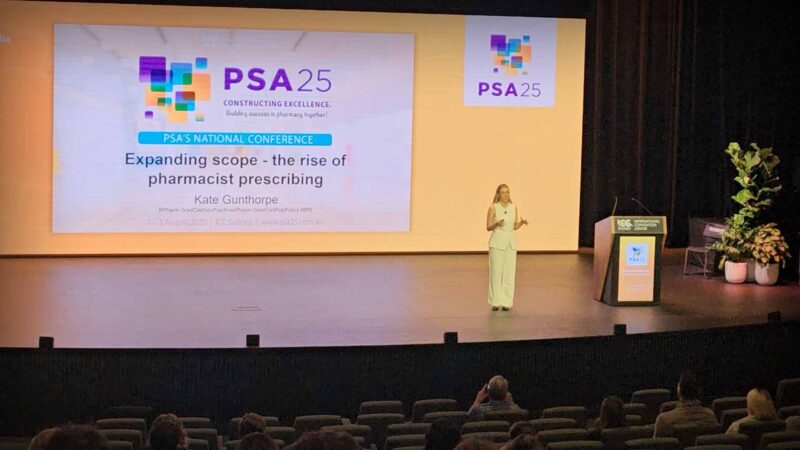
Pharmacist Prescribing Model gets further support from state health
A full scope pharmacist prescriber model allows pharmacists to independently prescribe medicines within their professional competence, without requiring prior doctor authorisation. It extends pharmacists’ role beyond dispensing to include assessment, diagnosis of minor and chronic conditions, initiation and modification of therapy, and ongoing patient monitoring. This model integrates pharmacists into primary care teams, aiming to improve timely access to treatment, reduce pressure on general practitioners, and enhance continuity of care. Pharmacists use their clinical knowledge, patient records, and collaborative pathways to ensure safe prescribing. The model emphasises training, regulation, and accountability to maintain high standards of patient safety.
Post Views: 1,024
Rapid trend shift in radiology technology and accessibility

Recent Segments
- Research, Mentorship and the PhD Experience
- Immune mechanisms of coeliac disease and gluten-related disorders
- National incubator shifts into gear, announcing vaccine and infectious disease innovation cohort
- LIVED EXPERIENCE: severe aortic valve stenosis (aortic stenosis)
- MedTech Industry invited to NSW Parliament House