
-
Renal care & data linkage of Tasmanian kidney disease cases
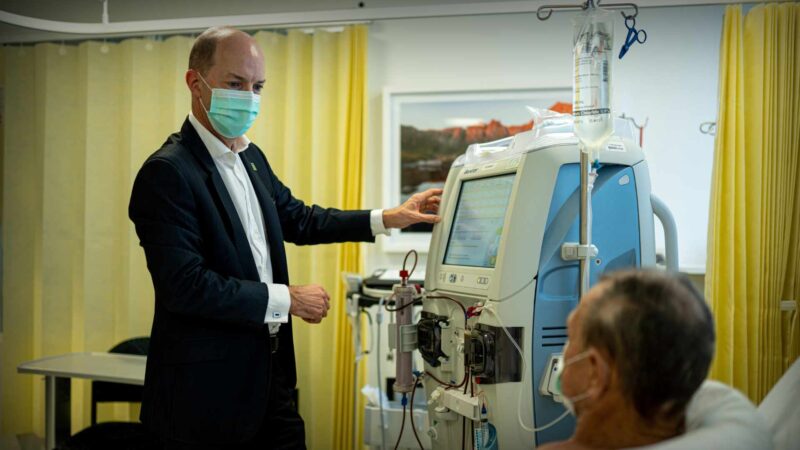
Professor Matthew Jose is a Renal Physician & Head of the Renal Unit at the Royal Hobart Hospital, and Professor of Medicine for the University of Tasmania.
Winner of the 2021 Rural Science Award from the Australia and New Zealand Society of Nephrology, he has worked in regional, rural and remote Australian locations for nearly 20 years as a Renal Physician, including the Northern Territory.
-
Risk factors and prevention of respiratory infections and infectious diseases in children
A/Prof Hannah Moore OAM is an infectious disease epidemiologist; Co-Head of the Infectious Disease Epidemiology team within the Wesfarmers Centre of Vaccines and Infectious Diseases at The Kids Research Institute Australia and Associate Professor at the School of Population Health, Curtin University in Western Australia.
A/Prof Moore has been awarded more than $19M in competitive research grants, co-authored more than 140 papers, was TEDxPerth 2018 speaker, recipient of a WA Young Tall Poppy Award (2013) and the WA Premiers Science Early Career Scientist Award (2015). In 2024, she was honoured with a Medal of the Order of Australia for her service to epidemiology as a researcher.
-
Post stroke brain recovery targeting blood flow and vessel health
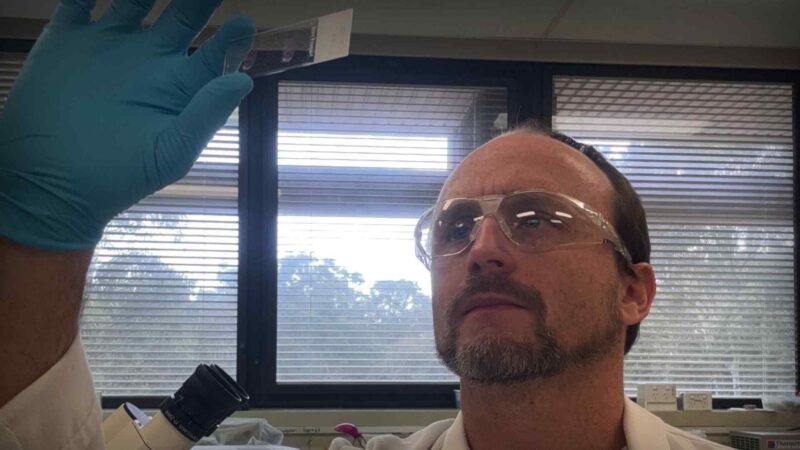
Dr Daniel Beard is a Senior Lecturer and Group Leader of the Neurovascular Research Laboratory at the University of Newcastle, with a distinguished career in stroke research. Dr Beard completed his PhD in Human Physiology in 2015, uncovering the impact of intracranial pressure on collateral vessel failure. He has held prestigious research and teaching roles at the University of Oxford and Charité Universitätsmedizin Berlin, contributing to international collaborations on neurovascular protection. His research has been supported by competitive grants, including an NHMRC Ideas Grant, and he has received numerous awards for innovation, research excellence and teaching excellence.
Post Views: 197
Influence of gut microbes and inflammation on brain function and behaviour in autism

Recent Segments
- Roadmapping next phase of Australia’s vaccine success
- Potassium-enriched salt in the management of hypertension
- Circular use of medical device technology and evolving policy and regulatory frameworks
- Building trusted technology for women’s reproductive health
- Gut microbiome and gastrointestinal dysfunction in people with autism