
 https://orcid.org/0000-0003-3264-6546
-
Podiatric Research In Children, the workforce and the LGBTQIA+ community
Professor Williams holds the role of Deputy Head of School, School of Primary and Allied Health Care, and course coordinator of the Doctor of Podiatric Medicine degree. She is a podiatrist, and has held professional roles in community health, acute and subacute services in child health care teams, research leadership and professional governance.
-
CASE STUDY High blood pressure and shorter sleep may worsen brain decline
People with high blood pressure who also lack sleep may be at increased risk of reduced cognitive performance and greater brain injury, Monash University research has found.
Published in the Journal of the American Heart Association, researchers assessed whether the combined effect of hypertension and short sleep duration had a negative impact on brain health.
-
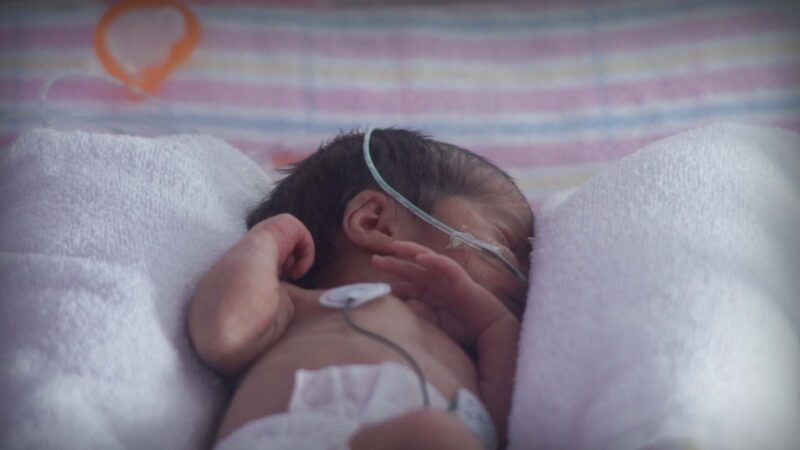
Health impacts of donor milk for pre-term babies
Professor Alice Rumbold is Theme Leader of SAHMRI Women and Kids, managing a multidisciplinary research team focussed on improving health outcomes for women, babies and families. She also holds an affiliate position as a Research Leader within the Robinson Research Institute at the University of Adelaide.
An epidemiologist and health services researcher, she is internationally renowned for her leadership of large-scale clinical trials, epidemiological studies and systematic review activities to improve perinatal and reproductive health care. She is passionate about improving health outcomes for women and babies, particularly those experiencing vulnerability. Her current research interests include preterm birth, breastfeeding, human milk banking and infertility
Post Views: 277
Pancreatic and lung cancers driven by mutations in the cancer gene KRAS


Recent Segments
- Clinical pain neuroscientist talks about how the brain processes pain information
- Therapy to prevent hepatocellular carcinoma in people with liver cirrhosis
- Identification & characterisation of molecular drivers of therapeutic resistance
- Liver cancer & patient-derived tumour organoids
- Developing upper limb motor biomarkers of dementia