
-
Systems genetics to determine risk of developing diabetes complications
Dr Mara Zeissig is a recently appointed Lab Head within the Tumour Inflammation and Immunotherapy Program at the South Australian immunoGENomics Cancer Institute (SAiGENCI).
Her research focuses on studying immune evasion mechanisms in lung and pancreatic cancers to identify novel ways to increase response to immunotherapy. Her expertise is in genetically engineered mouse models of lung cancer, CRISPR-Cas9 screening technologies and T cell based immunotherapies (e.g Checkpoint inhibitors). -
Investigating the benefits of donor human milk for preterm infants
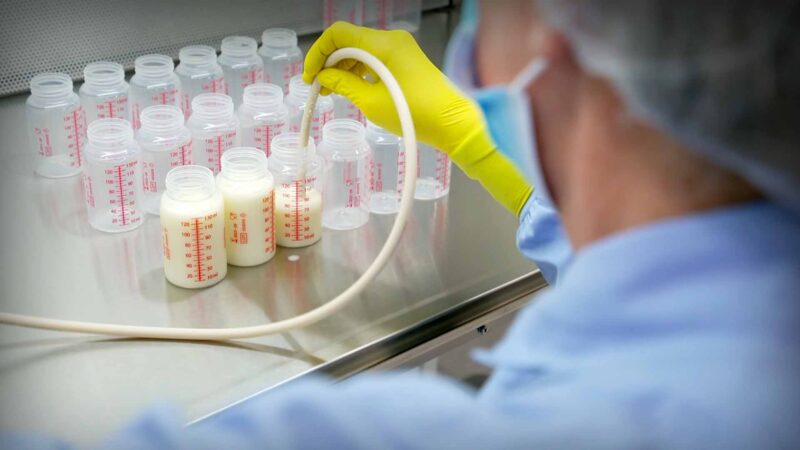
Together, SAHMRI and Lifeblood are leading a consortium to revolutionise the way human milk, and novel products made from human milk, are used as nutritional and medical interventions to improve health outcomes in vulnerable infants, but with potential application for a diverse range of medical indications.
Currently, babies who are born early preterm – before 32 weeks – are given donor milk when their own mother’s milk is not available or in short supply. Whether donor milk is beneficial for babies born just a few weeks early is unclear, as very little research has been undertaken with these babies.
The GIFT Trial will soon commence as an investigation between SAHMRI, the University of Adelaide, the Red Cross Lifeblood Milk Bank conducted at five sites across three states in Australia.
-
Stem cell therapies for enteric neuropathies
Dr Stamp is a Group Leader in the Department of Anatomy and Physiology at the University of Melbourne, Australia. Dr Stamp’s PhD research (with Prof Martin Pera, Monash University) focused on the derivation of hepatopancreatic progenitors from human embryonic stem cells. He then joined the lab of Dr Don Newgreen at the Murdoch Childrens Research Institute where he began working on development of the enteric nervous system (ENS), before joining Prof Heather Young’s lab at the University of Melbourne, where he focused on developing a stem cell therapy to treat gut motility disorders such as the paediatric enteric neuropathy Hirschprung disease.
Post Views: 1,066
Genomics and rationally targeted therapies in Acute Lymphoblastic Leukaemia
Recent Segments
- Clinical pain neuroscientist talks about how the brain processes pain information
- Therapy to prevent hepatocellular carcinoma in people with liver cirrhosis
- Identification & characterisation of molecular drivers of therapeutic resistance
- Liver cancer & patient-derived tumour organoids
- Developing upper limb motor biomarkers of dementia