
-
Impact of NextSense Institute Research in the field of sensory disabilities
NextSense has a 165 year history of providing services and education for individuals with sensory impairments. With the support of donations, NextSense provides vital support for children and adults, more cochlear implants than any other service in Australia, and is a world leader for research, technology and professional education in the fields of visions and hearing loss.
NextSense clinicians are actively involved in a number of leading research projects—both independently and in collaboration with local and international organisations. The NextSense Institute, part of NextSense is Australia’s leading centre for research and professional education in the field of sensory disabilities.
-
Next Generation Condom Contraception, Dr David Shepherd
Dr David Shepherd is a Lead Production Engineer and Materials Specialist at Eudaemon Technologies. His journey began at the University of Wollongong, where he pursued advanced studies and eventually obtained a PhD under the guidance of a distinguished professor. His research initially focused on actuating materials and artificial muscles, particularly centred around hydrogel materials. These early explorations have seamlessly evolved into his current focus on utilising hydrogels in the realm of sexual reproductive health, with a specific emphasis on developing innovative hydrogel condoms.
-
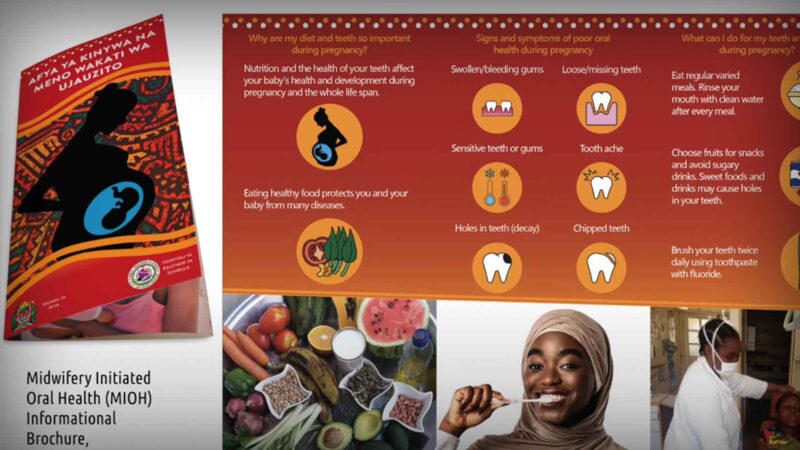
Integrated Oral Health Care
Dr Ajesh George is a Professor of Interprofessional Oral Health in the School of Nursing and Midwifery, Western Sydney University (WSU) and Honorary Professor in the School of Dentistry at The University of Sydney. He is a dentist with extensive experience in integrated oral health care and is a renowned expert globally in providing oral health training to non-dental professionals and translating oral health guidelines into their practice. Dr George is also the Director and Co-founder of the “Australian Centre for Integration of Oral Health” (ACIOH) which is a leading national research centre led by WSU in collaboration with various partners including universities, health services and professional organisations.
Post Views: 1,355
Food and fasting periods as medicine to prevent disease


Recent Segments
- Clinical pain neuroscientist talks about how the brain processes pain information
- Therapy to prevent hepatocellular carcinoma in people with liver cirrhosis
- Identification & characterisation of molecular drivers of therapeutic resistance
- Liver cancer & patient-derived tumour organoids
- Developing upper limb motor biomarkers of dementia