
-
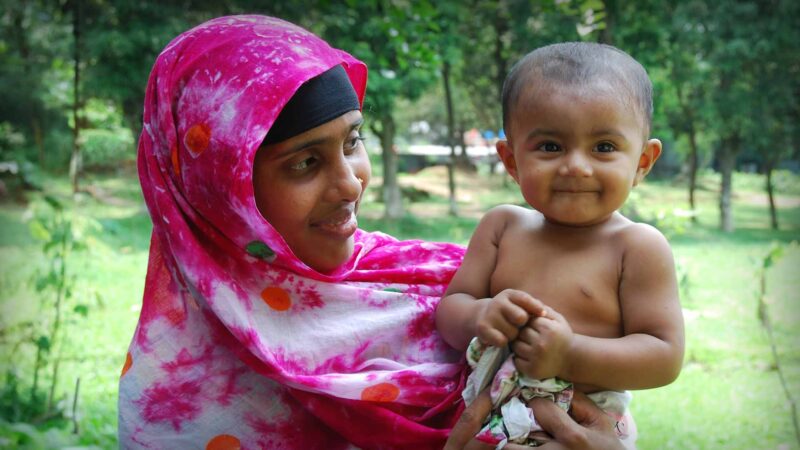
Anaemia guidelines updated after 50 years
Professor Sant-Rayn Pasricha is the Acting Deputy Director at the Walter Eliza Hall Institute of Medical Research in Melbourne, Australia. He is also a clinical haematologist at the Royal Melbourne Hospital and the Peter MacCallum Cancer Centre. From a young age, Prof Pasricha dreamed of becoming a doctor and found joy in learning about the human body and how to care for patients. After completing medical school, he developed a passion for working in low and middle-income countries, which led him to spend time working in East Timor, India, and Central Australia with First Nations communities.
-
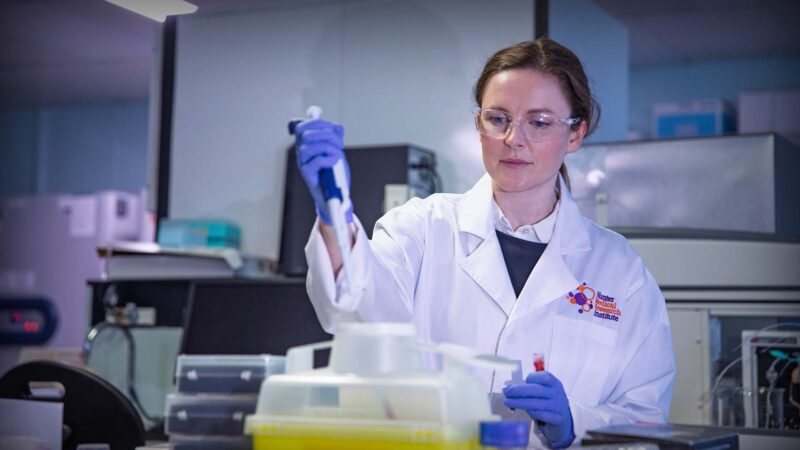
Biomarkers for early sepsis detection
Dr Gabrielle Briggs is a biomedical scientist dedicated to finding smarter, faster ways to diagnose and treat life threatening complications in critically ill patients. Dr Briggs established a research laboratory embedded within the John Hunter Hospital – one of the busiest major trauma centres in NSW. Dr Briggs works alongside surgeons, intensivists, and pathologists to turn complex clinical problems into practical research solutions. Her work spans two major programs: developing a rapid diagnostic test to detect bacterial infections in blood before sepsis takes hold, and exploring mitochondrial transplantation as a novel therapy to rescue injured tissues after trauma and ischaemia.
-
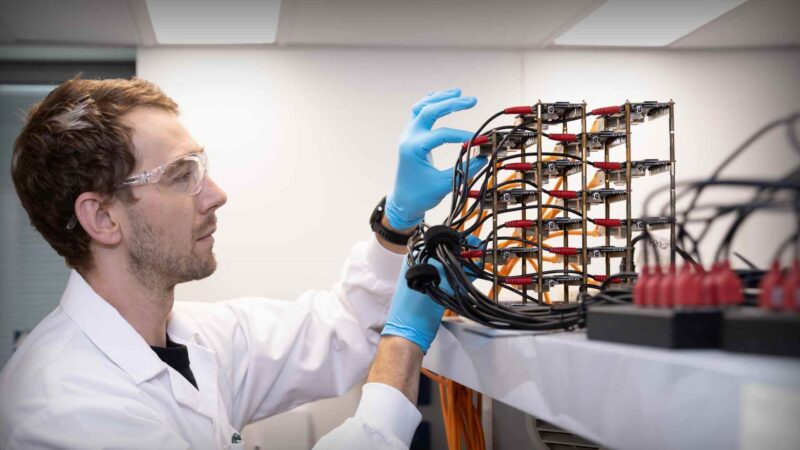
Applications of long-read sequencing in clinical genomics
Dr Ira Deveson is a mid-career researcher and Snow Fellow. He has expertise in clinical genomics, biotechnology development and bioinformatics, with his lab focusing on applications of long-read sequencing in clinical genomics. His work spans from computational methods development and software/hardware engineering, to large-scale genomic analysis of diverse cohorts in health and disease.
Recent Segments
- Drug delivery of targeted therapies for pancreatic cancer, motor neurone disease
- Physiotherapist-led care for musculoskeletal conditions in the emergency department
- RESEARCH IMPACT: 32 years of understanding, diagnosing, treating & preventing the onset of heart disease
- Research Australia Awards celebrate researchers in life-changing science and discovery
- Connecting Students with Careers in MedTech