
 https://orcid.org/0000-0001-9048-9580
-
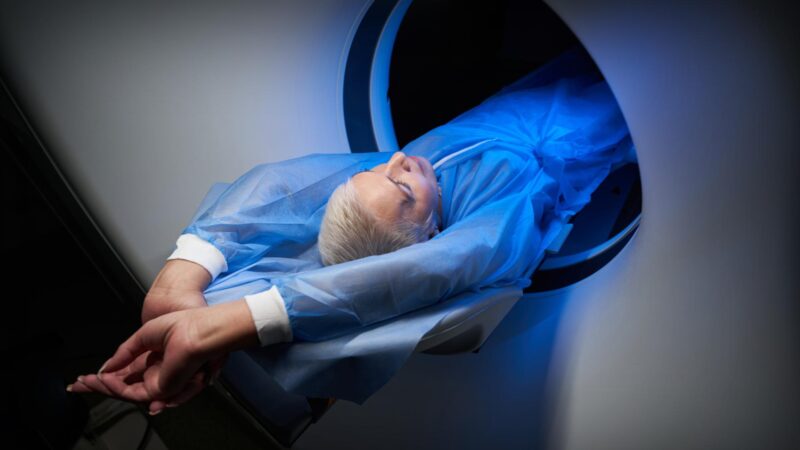
Nuclear medicine & theranostics for molecular imaging & targeted therapy
Dr Aviral Singh is a globally renowned Nuclear Medicine Physician with special interest in Theranostics.
Dr Singh is based in Perth, Western Australia since 2024 and serves as the Clinical Head of Theranostics and Nuclear Medicine at GenesisCare Australia. He is also a Consultant Nuclear Medicine Physician at Fiona Stanley and Royal Perth Hospitals, in addition to pursuing national and international consulting physician roles as Director at Infinity Theranostics.
-
Investigating the benefits of donor human milk for preterm infants
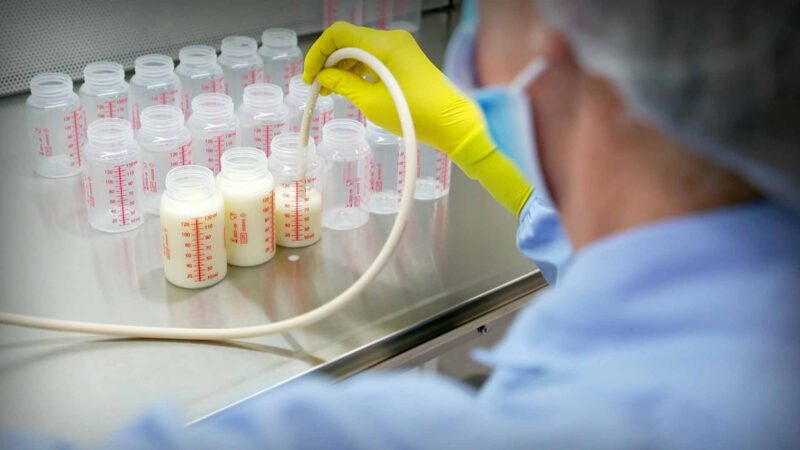
Together, SAHMRI and Lifeblood are leading a consortium to revolutionise the way human milk, and novel products made from human milk, are used as nutritional and medical interventions to improve health outcomes in vulnerable infants, but with potential application for a diverse range of medical indications.
Currently, babies who are born early preterm – before 32 weeks – are given donor milk when their own mother’s milk is not available or in short supply. Whether donor milk is beneficial for babies born just a few weeks early is unclear, as very little research has been undertaken with these babies.
The GIFT Trial will soon commence as an investigation between SAHMRI, the University of Adelaide, the Red Cross Lifeblood Milk Bank conducted at five sites across three states in Australia.
-
Next Generation Condom Contraception, Dr Simon Cook
Dr. Simon Cook, Co-Founder and Executive Director of Operations at Eudaemon Technologies, has had a diverse and impactful career journey. Beginning with a background in biotechnology from the University of Wollongong, his focus on bacterial pathogenesis during his PhD led him to study Group A Strep and the streptokinase protein.
Subsequently, Dr. Cook ventured into a unique project funded by the Bill and Melinda Gates Foundation, where he became involved in the development of a next-generation condom to address existing issues such as feel, odour, and taste.
Post Views: 13
Developing safer and more effective treatment options for acute lymphoblastic leukaemia

Recent Segments
- Developing safer and more effective treatment options for acute lymphoblastic leukaemia
- Pregnancy outcomes, stillbirth prevention and environmental health
- Addressing Australia’s Bowel Cancer Screening Participation Gap
- Cellular and molecular mechanisms of skeletal muscle repair and regeneration
- Driven by purpose, defined by generosity and guided by a vision for better health