
-
Handling modern day diets and misinformation as a HCP
Laureate Professor Clare Collins AO in Nutrition and Dietetics at the University of Newcastle, emphasises the need for accurate and reliable nutrition information to reach the public. Prof Collins believes that it is vital for clinicians to stay up-to-date with cutting-edge nutrition science and work with communication organisations to disseminate information to the general public. This is particularly important as social media is full of both reliable and unreliable information on dietary patterns, such as veganism.
-
Orthopaedic surgeon driven to understand & manage infection
In tandem with his clinical practice, Associate Professor Tetsworth is deeply engaged in orthopaedic research, with a keen interest in infection management, infection control, limb salvage, bone defect reconstruction, biomarker development for infection, bone growth hormone delivery, and the use of 3D printed models for reconstructing segmental bone defects.
-
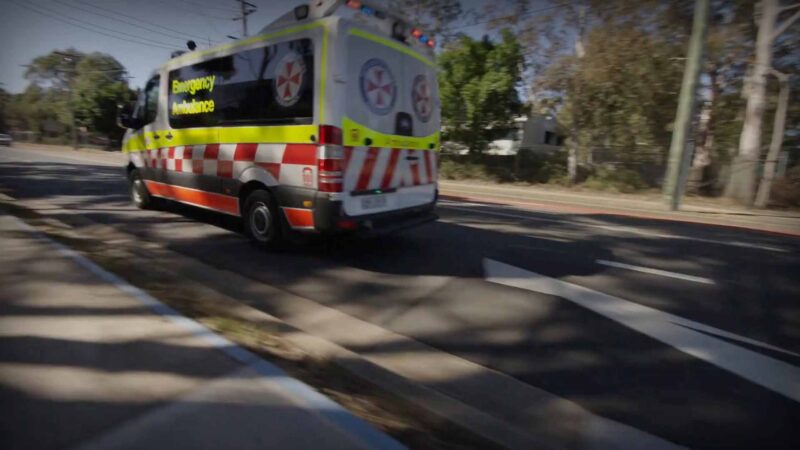
Paramedics seek team-based primary health care pilots
The Chief Executive Officer of The Australasian College of Paramedicine, John Bruning spoke with Australian Health Journal about the following:
New models of care proposed for paramedics
Paramedicine pilot program in the pre-budget submission
Scope of how paramedics can support General Practice, and guidelines on safety and quality
Current limitations experienced by paramedics needing to be addressed by Government
Other health priorities hopefully addressed in Federal Budget.In the lead up to the Australian Federal Budget in May 2023, Australian Health Journal reached out to peak health industry bodies to hear about their priorities, either noted in pre-budget submissions lodged with Federal Government in January 2023 or in recent forums such as the Strengthening Medicare Taskforce.
Post Views: 1,608
Strategic research investments for health and prosperity


Recent Segments
- Clinical pain neuroscientist talks about how the brain processes pain information
- Therapy to prevent hepatocellular carcinoma in people with liver cirrhosis
- Identification & characterisation of molecular drivers of therapeutic resistance
- Liver cancer & patient-derived tumour organoids
- Developing upper limb motor biomarkers of dementia