SOUTH AUSTRALIA LEGISLATES TO LAUNCH PREVENTIVE HEALTH AGENCY New Preventive Health SA Council to provide strategic advice and drive evidence based agenda
Filmed in Adelaide, South Australia | November 2024
On 28th November 2024, the SA Parliament passed legislation to make preventive health a key part of South Australian health system for the first time, through a new agency aptly named Preventive Health SA.
Preventive Health SA will lead evidence-informed and innovative action to prevent and reduce the burden of non-communicable health conditions and improve health equity across the South Australia population.
The Preventive Health SA Bill 2024 also establishes the Preventive Health SA Council to provide strategic advice with its members to be selected based on their diverse health knowledge, expertise and experience.
Through the delivery and implementation of evidence based policy and programs, Preventive Heath SA are working to improve health outcomes and reduce health inequities for South Australian communities.
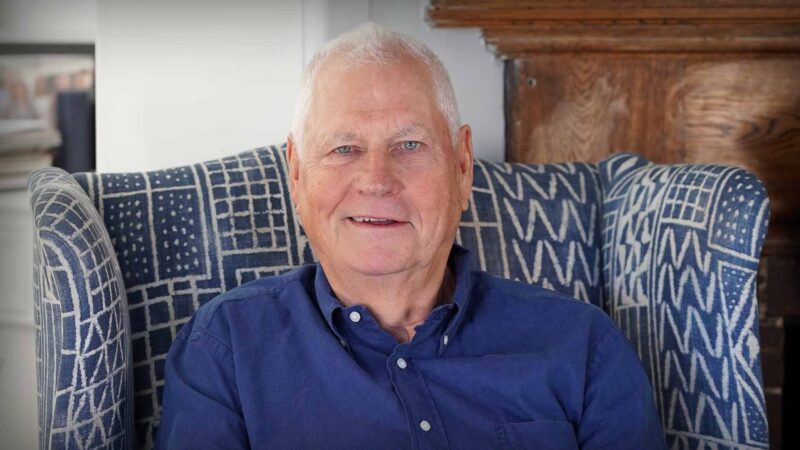
Australian Health Journal spoke to Chris Picton MP, Minister for Health and Wellbeing, in the South Australian Government about the key focus of the agency will be to address smoking, vaping, obesity and other health risks for South Australians.
“As well as vaping, obesity, smoking, alcohol and drug use, increasing rates of chronic disease make Preventive Health SA’s activities vital for community and to help reduce pressure on the health system”, says Health and Wellbeing Minister Chris Picton MP.
The new Preventive Health SA CEO, Marina Bowshall talks about the agency making a big impact in helping people stay healthier, and the long term benefits.
With collaboration from health professionals and researchers, legislation for this initiative has been created to implement evidence-based strategies that can lead to meaningful long-term health improvements for the community.
“One of the strengths of our agency is our collaborative approach across government, non-government and key sectors for policy and programs that benefit our community and population.
That’s how we will take forward our commitment to making South Australia an even healthier state across generations by implementing strategies that address the burden of preventable health conditions”, says Marina Bowshall
Public Health Association of Australia (PHAA) South Australia Branch President, Dr Mary Brushe, said a new agency focussed on preventive health will help ease the pressure on the state’s stretched hospitals and ambulance systems.
“Keeping people healthy and well means they’re less likely to need hospitals or call an ambulance, because around half of all chronic diseases are preventable,” says Dr Brushe.
You Might also like
-
Clinical trial site in primary care setting open for novel therapies in psychiatry
Over the past decade, Paratus has been involved in over 200 clinical trials across 4 clinical site locations. Now a fifth site, the newly opened Melbourne site will cater to both primary care and psychiatry, specifically designed for psychedelic studies.
The new Melbourne site will be a focused on primary care studies specifically expanding access to psychiatric research, a growing area of unmet need. Australian Health Journal met with 3 recent hires brought in to support clinical trials across the organisation and in psychiatry in Melbourne.
-
Investigating use of dietary supplements for osteoarthritis
Osteoarthritis is a leading cause of disability affecting over 2 million Australians, according to Australian Institute of Health and Welfare report on Chronic musculoskeletal conditions (2024) and 595 million people globally, according to BD 2021 Osteoarthritis Collaborators. Global, regional, and national burden of osteoarthritis, 1990–2020. It represents a significant public health burden that diminishes quality of life among ageing populations.
-
Reducing patient accessibility barriers in the clinical setting
Hannah McPierzie is a globally respected presenter, disability advocate, and educator who offers a unique perspective on disability and communication. She lives with Neurofibromatosis Type 2, a rare degenerative condition, and has two auditory brainstem implants. After 15 years teaching in the disability sector, Hannah acquired disability herself in 2020, when life-saving surgery left her deafblind.