
-
Australasian College of Paramedicine makes case for multi-disciplinary care
Despite being seen primarily as emergency responders, paramedics have long been providing care in the primary care space. As such, their increased involvement in primary and urgent care is a natural progression that can lead to improved health outcomes for communities. Urgent care clinics, which treat non-life-threatening injuries and illnesses, have been a recent introduction. However, when these clinics were initially proposed, paramedics were left out of the opportunity, despite being experts in urgent, acute, unplanned, and unscheduled care. They work in these types of situations every day in the ambulance service and should be utilised in these clinics to improve patient outcomes. Working as part of multidisciplinary teams with doctors and nurses can further enhance the outcomes for local communities.
-
Specialist emergency care clinics in rollout
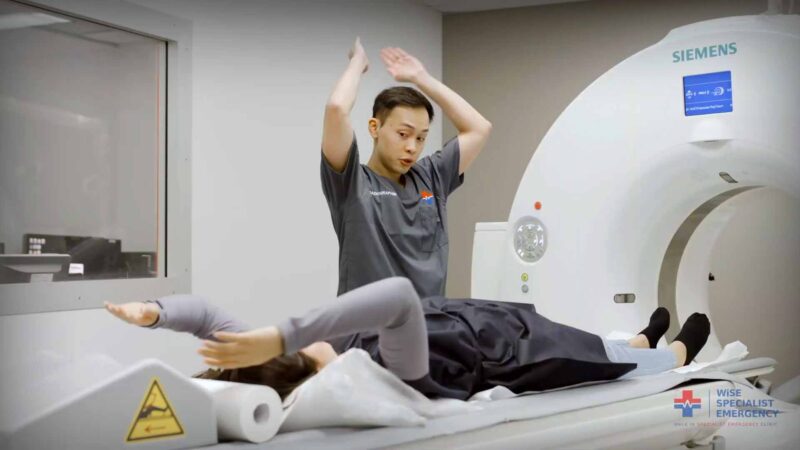
Unlike Emergency Departments that operate within public hospitals and some private hospitals, a Walk-in Specialist Emergency Clinic is located in the community and designed to provide comprehensive, coordinated acute care – from initial consultation and diagnostic services, to treatment and specialist referral if required – without the patient having to visit a hospital.
Australian Health Journal spoke to the visionary, founder and CEO behind this WiSE Specialist Emergency clinic, Dr Pankaj Arora.
-
Orthopaedic surgeon driven to understand & manage infection
In tandem with his clinical practice, Associate Professor Tetsworth is deeply engaged in orthopaedic research, with a keen interest in infection management, infection control, limb salvage, bone defect reconstruction, biomarker development for infection, bone growth hormone delivery, and the use of 3D printed models for reconstructing segmental bone defects.
Post Views: 1,863
SAHMRI Celebrates 10 Years of Research


Recent Segments
- Patient family develops app for improved adherence and clinical outcomes
- CASE STUDY: Transforming surgical waitlist into a ‘preparation list’
- Confronting picture of growing women’s health crisis in uterine cancers
- From refugee to receiving multiple accolades as a community pharmacist
- 30 years on, Viertel Foundation legacy continues