
-
Continuing education program leads to better conversations
Medicines Australia’s Continuing Education Program (CEP) is designed to educate medical representatives to a recognised industry standard. Dr Tristan Ling, CEP Academic Lead and Project Manager at the College of Health and Medicine, University of Tasmania talks about the 900 students that come through the program each year.
The CEP is primarily directed at medical representatives working within the prescription medicines industry, but is also recommended to people who may not be currently employed within the industry but would like to pursue a career as a medical representative. It is also available to personnel working for organisations interacting with the pharmaceutical industry.
-
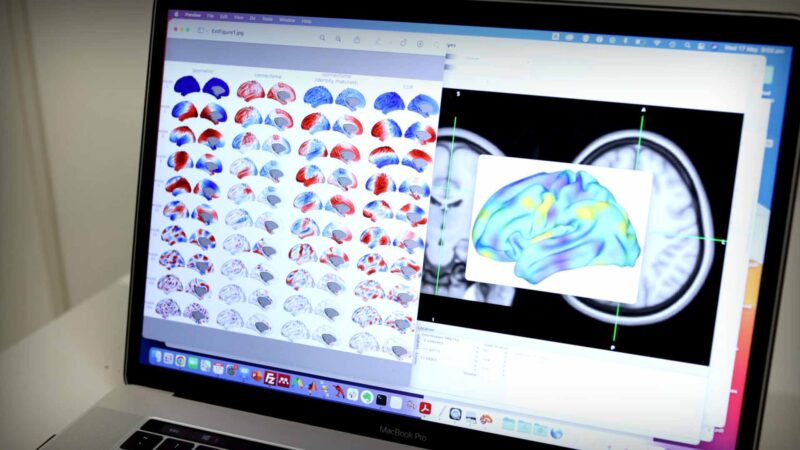
Landmark brain shape study
For over a century, researchers have thought that the patterns of brain activity that define our experiences, hopes and dreams are determined by how different brain regions communicate with each other through a complex web of trillions of cellular connections.
Now, a Monash University Turner Institute for Brain and Mental Health-led study has examined more than 10,000 different maps of human brain activity and found that the overall shape of a person’s brain exerts a far greater influence on how we think, feel and behave than its intricate neuronal connectivity.
-
Intervention in hearing loss for patients
In her role as an audiologist and trainer, Lauren McNee emphasises the urgency of addressing sudden hearing loss, highlighting the time-sensitive nature of available treatment options. She advises healthcare professionals, including GPs, pharmacists, primary care nurses and specialists, to remain vigilant for subtle signs of hearing loss in their patients. Such signs may include difficulty following prescription guidelines, miscommunication during conversations, or non-verbal cues like a tilt of the head or asking for repetitions.
Post Views: 1,908
Generosity of spirit in teaching


Recent Segments
- Clinical pain neuroscientist talks about how the brain processes pain information
- Therapy to prevent hepatocellular carcinoma in people with liver cirrhosis
- Identification & characterisation of molecular drivers of therapeutic resistance
- Liver cancer & patient-derived tumour organoids
- Developing upper limb motor biomarkers of dementia