
-
Spinal implant technology eyes global opportunity
Adelaide, South Australia wants to let the secret out, and be known as hub for medical devices, pharmaceuticals, biotechnology, and digital health. It boasts world-class research institutions, such as the University of Adelaide and SAHMRI, fostering innovation and collaboration. The city’s supportive government policies provide incentives, grants, and streamlined regulations for businesses. Adelaide’s skilled workforce, renowned for its expertise in health sciences, offers a talent pool to drive industry growth. Additionally, the city’s strategic location, advanced infrastructure, and strong healthcare ecosystem make it an ideal base for development, manufacturing, and market access, attracting companies in these sectors.
-
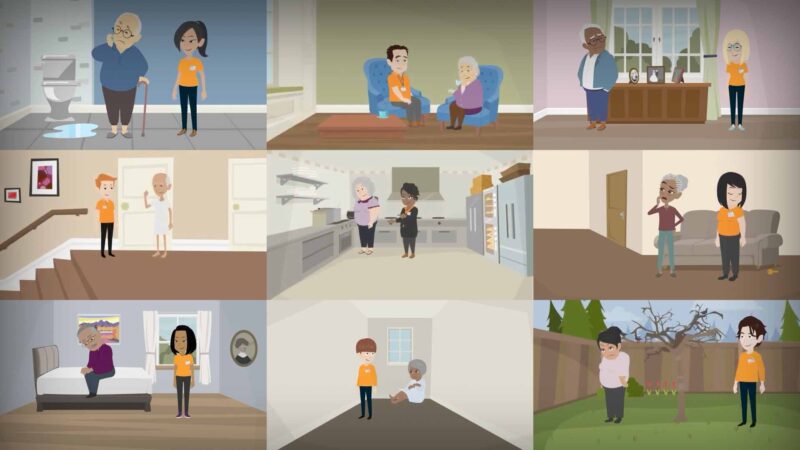
The world of AI avatars in dementia care
Dementia care is one of the critical issues facing the aged care industry. About 500,000 Australians currently live with the brain disorder condition, and this is tipped to rise to 1.1 million in a generation.
How to effectively provide quality care for people living with dementia was a key element of the royal commission into aged care, which found the complex care required was an ongoing challenge for the industry.
-
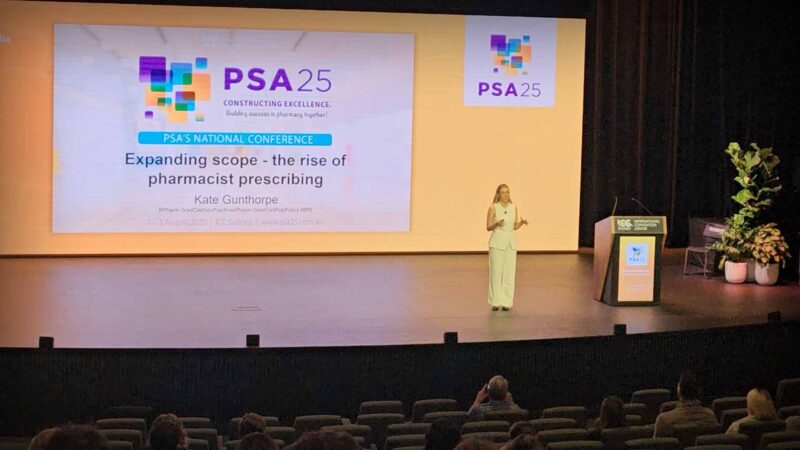
Pharmacist Prescribing Model gets further support from state health
A full scope pharmacist prescriber model allows pharmacists to independently prescribe medicines within their professional competence, without requiring prior doctor authorisation. It extends pharmacists’ role beyond dispensing to include assessment, diagnosis of minor and chronic conditions, initiation and modification of therapy, and ongoing patient monitoring. This model integrates pharmacists into primary care teams, aiming to improve timely access to treatment, reduce pressure on general practitioners, and enhance continuity of care. Pharmacists use their clinical knowledge, patient records, and collaborative pathways to ensure safe prescribing. The model emphasises training, regulation, and accountability to maintain high standards of patient safety.
Post Views: 2,079
Enriching experiences in nursing mentorship

Recent Segments
- Clinical pain neuroscientist talks about how the brain processes pain information
- Therapy to prevent hepatocellular carcinoma in people with liver cirrhosis
- Identification & characterisation of molecular drivers of therapeutic resistance
- Liver cancer & patient-derived tumour organoids
- Developing upper limb motor biomarkers of dementia