
-
From refugee to receiving multiple accolades as a community pharmacist
Sara is an experienced pharmacist, community health advocate, and the Lead Pharmacist at Pharmacy 777 Pascoe Vale in Victoria. With over 20 years in the profession, Sara has played a significant role in advancing local healthcare delivery through clinical leadership, service development, and strong community partnerships.
-
Growing impact of blood cancer on women
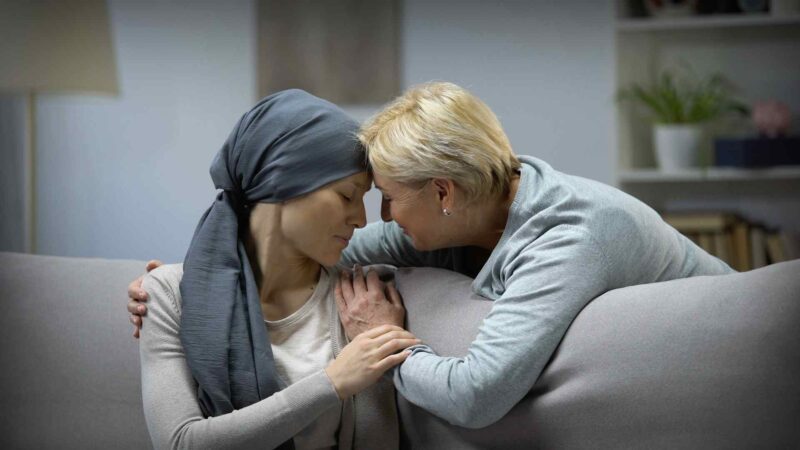
According to the Leukaemia Foundation, blood cancer is one of the most urgent and under-recognised women’s health issues in Australia, with three times more Australian women diagnosed with blood cancer than ovarian and cervical cancer combined (Source: AIHW, Cancer Data in Australia, 2024).
Blood cancer has also emerged as the second most common cancer diagnosed in Australian women overall – behind only breast cancer – and the leading cancer amongst girls and women under the age of 30 (Source: AIHW, Cancer Data in Australia, 2024).
-
Smart technology in wound care
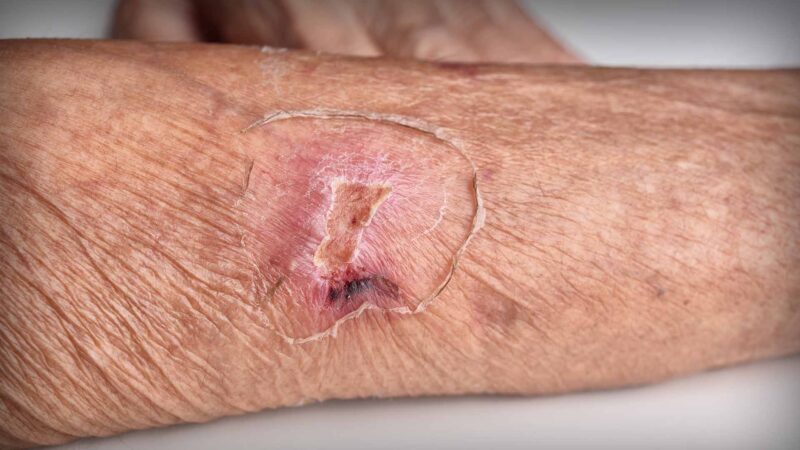
Throughout her journey around wound care, Santosh Kaur was frustrated to see the simple gaps in wound care resulting in negative patient outcomes. Santosh is the founder of SmartHeal which launched in 2020.
SmartHeal replaces the nurses taking cumbersome manual measurements and manual sharing of important wound data with a no touch technique. It aims for healthcare professionals to have live remote access to wound data, make wound assessments and assist with speech to text notes thus saving time, cost and people. SmartHeal also aims to assist healthcare professionals in providing optimum wound care by analysing the wound tissue for infection, moisture and providing suggestions for suitable dressing.
Post Views: 1,277
CASE STUDY: Evolution in the medical device supply chain

Recent Segments
- Research, Mentorship and the PhD Experience
- Immune mechanisms of coeliac disease and gluten-related disorders
- National incubator shifts into gear, announcing vaccine and infectious disease innovation cohort
- LIVED EXPERIENCE: severe aortic valve stenosis (aortic stenosis)
- MedTech Industry invited to NSW Parliament House