
-
Smart technology in wound care
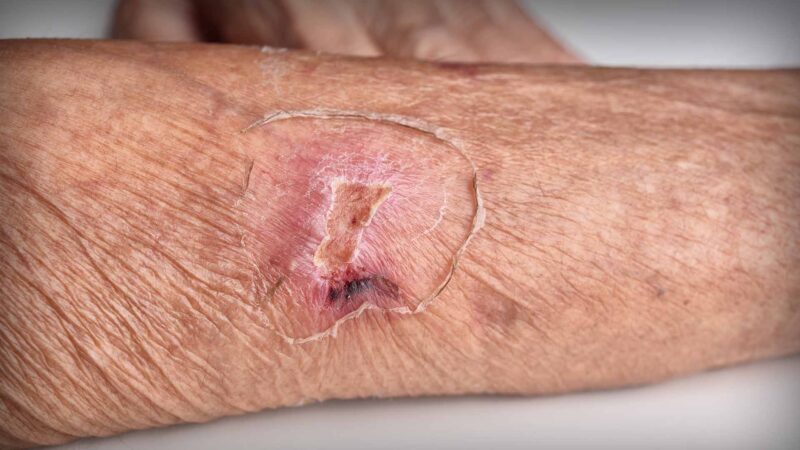
Throughout her journey around wound care, Santosh Kaur was frustrated to see the simple gaps in wound care resulting in negative patient outcomes. Santosh is the founder of SmartHeal which launched in 2020.
SmartHeal replaces the nurses taking cumbersome manual measurements and manual sharing of important wound data with a no touch technique. It aims for healthcare professionals to have live remote access to wound data, make wound assessments and assist with speech to text notes thus saving time, cost and people. SmartHeal also aims to assist healthcare professionals in providing optimum wound care by analysing the wound tissue for infection, moisture and providing suggestions for suitable dressing.
-
New bar for cosmetic plastic surgeon accreditation
Population screening is an important contributor to advancing health outcomes through the early detection of and successful intervention for chronic disease. The evolution of science, technology and evidence relating to diseases which are or may be amenable to a population screening approach deserve broad discussion and the sharing of expertise and evidence. They also warrant close scrutiny in context of health policy and health resource allocation considerations.
In March, Public Health Association of Australia (PHAA) convened Screening Conference Conference 2025 with the theme of ‘Population Screening for Chronic Disease – Maximising Benefits, Minimising Harms’.
-
Imperatives for women diagnosed with ovarian cancer
Professor Clare Scott, a pioneering clinician scientist at the Walter and Eliza Hall Institute of Medical Research in Melbourne, also serves as a medical oncologist at Peter MacCallum Cancer Centre, the Royal Melbourne Hospital, and the Royal Women’s Hospital.
Her comprehensive training in medical oncology has fuelled her specialisation in gynaecological cancer, combining rigorous research with clinical trials to improve patient outcomes. With over a decade of involvement in ANZGOG, Australia’s foremost gynaecologic cancer research organisation, she is deeply committed to advancing research and saving lives.
Post Views: 2,034
Brain cancer Professor mentors Tasmanian researchers


Recent Segments
- Clinical pain neuroscientist talks about how the brain processes pain information
- Therapy to prevent hepatocellular carcinoma in people with liver cirrhosis
- Identification & characterisation of molecular drivers of therapeutic resistance
- Liver cancer & patient-derived tumour organoids
- Developing upper limb motor biomarkers of dementia