
-
Cardiovascular Disease Risk Guidance and Calculator get long overdue update
Cardiovascular disease (CVD) is responsible for significant morbidity and premature mortality in Australia. Ischaemic heart disease was the leading cause of death in 2020 and cerebrovascular disease was the third most common cause of death.
As the first major update to Australian CVD risk assessment guidelines in over a decade, the 2023 Australian Guideline for assessing and managing cardiovascular disease risk and associated Aus CVD Risk Calculator reflect the latest evidence on assessing, communicating, and managing CVD risk. Developed using Australian-specific data and the latest evidence, it supersedes the 2012 Guidelines for the management of absolute cardiovascular disease risk.
-
Breaking silos to transform women’s health through MedTech
In an interview with Australian Health Journal, Jasjit Baveja, Director of Regulatory and Industry Policy at the Medical Technology Association of Australia (MTAA), highlighted the growing importance of medical technology in addressing longstanding inequities in women’s health.
Drawing on the outcomes of the inaugural MTAA Women’s Health MedTech Summit, she explained how the event brought together clinicians, researchers, industry leaders, regulators, investors, government representatives and patient advocates to tackle complex challenges through a collaborative approach.
-
Role of the Chief Nursing Officer
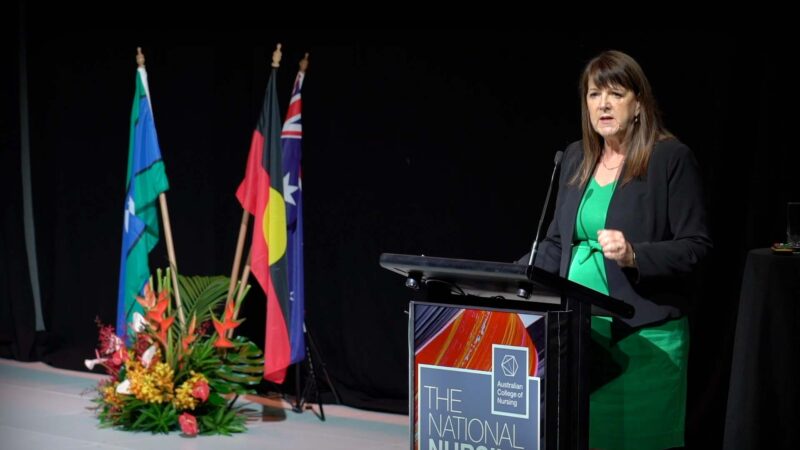
Professor Alison McMillan PSM spoke with Australian Health Journal about the role of Chief Nursing and Midwifery Officer at the Australian Government Department of Health and Aged Care.
Alison was appointed as our Chief Nursing and Midwifery Officer in November 2019.
In June 2021 Alison was awarded a Public Service Medal for outstanding public service to driving the Government’s national health response priorities during the COVID-19 pandemic, particularly to infection prevention measures.
Post Views: 402
Supporting women in arthroplasty, surgery & orthopaedic oncology


Recent Segments
- Reaching new immune health frontiers through collaborations & industry engagement
- 3D printing, bioprinting & stem cell tech in articular cartilage regeneration and treating osteosarcoma
- Drug delivery of targeted therapies for pancreatic cancer, motor neurone disease
- Physiotherapist-led care for musculoskeletal conditions in the emergency department
- RESEARCH IMPACT: 32 years of understanding, diagnosing, treating & preventing the onset of heart disease