
-
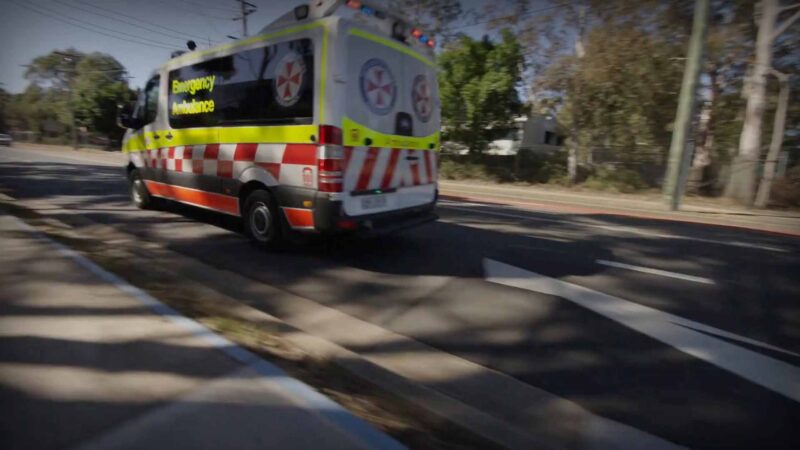
Paramedics seek team-based primary health care pilots
The Chief Executive Officer of The Australasian College of Paramedicine, John Bruning spoke with Australian Health Journal about the following:
New models of care proposed for paramedics
Paramedicine pilot program in the pre-budget submission
Scope of how paramedics can support General Practice, and guidelines on safety and quality
Current limitations experienced by paramedics needing to be addressed by Government
Other health priorities hopefully addressed in Federal Budget.In the lead up to the Australian Federal Budget in May 2023, Australian Health Journal reached out to peak health industry bodies to hear about their priorities, either noted in pre-budget submissions lodged with Federal Government in January 2023 or in recent forums such as the Strengthening Medicare Taskforce.
-
Understanding extracellular vesicles in cancer therapy research
Joy Wolfram is an Associate Professor at the Australian Institute for Bioengineering and Nanotechnology and the School of Chemical Engineering at the University of Queensland in Australia. Originally from Finland, she earned both her bachelor’s and master’s degrees in biology before transitioning to engineering with a PhD in nanotechnology completed in China. Wolfram has over a decade of experience working in hospitals in the United States before joining the University of Queensland.
Her research focuses on extracellular vesicles, which are crucial for cell communication both locally within tissues and over longer distances between organs. Her lab studies the roles of these vesicles in both health and disease, particularly in cancer. They investigate the harmful messages released by cancer cells that aid in tumour growth, specifically in breast cancer, while also exploring how to harness beneficial extracellular vesicles from healthy individuals as potential therapeutics.
-
Emerging researcher appointed to James Packer Chair in Mood Disorders at UNSW
The UNSW Discipline of Psychiatry and Mental Health is widely renowned as the pre-eminent psychiatry research department in the country and one of the leading university psychiatry research groups internationally. In 2023 it celebrated 60 Years of Psychiatry & Mental Health at UNSW Sydney.
Australian Health Journal spoke with Professor Kimberlie Dean, Head of the Discipline of Psychiatry and Mental Health at UNSW Sydney, about the recent appointment of mental health disorders expert and clinician researcher Dr Aswin Ratheesh to lead the James Packer Chair in Mood Disorders at UNSW Sydney.
Post Views: 400
In development, age specific clinical practice guidelines for early onset bowel cancer


Recent Segments
- Research, Mentorship and the PhD Experience
- Immune mechanisms of coeliac disease and gluten-related disorders
- National incubator shifts into gear, announcing vaccine and infectious disease innovation cohort
- LIVED EXPERIENCE: severe aortic valve stenosis (aortic stenosis)
- MedTech Industry invited to NSW Parliament House