-
National incubator shifts into gear, announcing vaccine and infectious disease innovation cohort
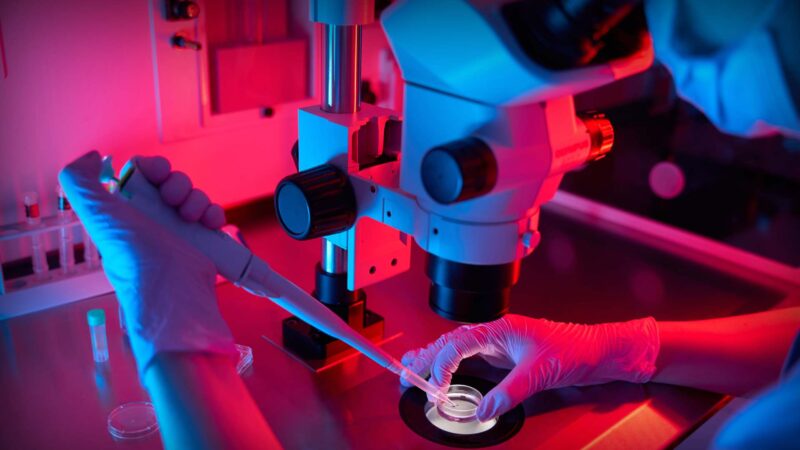
Biointelect Venturer has announced six Australian infectious disease innovations will share $10.48 million in the incubator’s first funding round giving the successful research teams the ability to advance their early-stage breakthroughs to commercial and investment readiness.
-
Funding roadblocks creating digital health inequity
Helen Souris, CEO and Executive Director of Cardihab and Chair of the Digital Health Advisory Group at the Medical Technology Association of Australia (MTAA), highlights the significant gap in cardiac rehabilitation access across Australia. Despite the proven benefits of cardiac rehabilitation in improving survival, quality of life, and reducing hospital admissions, around 80% of eligible patients do not receive this care, with access rates even lower in regional and rural communities.
-
Connected Health Systems
Challenges in health care delivery have compounded, with clinical staff being exposed to the Omicron COVID variant. Reduced staffing has brought on its challenges to most already-strained state health care systems and the people working in them.
However, over the past 2 years of the pandemic, technology has played an increasing role on the front end for patients and consumers at home and clinicians in the medical setting. Much more is planned in technology that will deliver efficiency, reduce risk and make available new models of care. This has the potential to touch the working lives of all stakeholders and recipients of care.