PATIENT FAMILY DEVELOPS APP FOR IMPROVED ADHERENCE AND CLINICAL OUTCOMES Teachable moments using Video self-modelling (VSM) ensure progress between allied health sessions
With
Darron Goralsky, CEO & Clinical Director
Melbourne TMJ & Facial Pain Centre
Christopher Peck,
Chief Operating Officer
Taskey www.taskey.io
SEGMENT
Filmed in Melbourne & Sydney | January 2026
More than 10 million Australians regularly invest in allied health services, from physiotherapy and rehabilitation to occupational and speech pathology sessions. However, experts agree that ensuring progress in between sessions is as crucial as the actual appointments. To carry this out, at-home therapy tasks must be practiced in daily life.
Allied health professionals provide expertise, care and coaching – only to see client progress stall due to the lack of performing exercises correctly at home, if at all. This is especially true when working with children with special needs and clients with cognitive challenges, who need demonstrated techniques to sustain any gains from the session.
The lack of follow-through between sessions results in slower gains and deprives the practitioner of the success stories that are the building blocks of a successful business. What can enable momentum is equipping practitioners to capture videos of teachable moments during sessions and offer them as references for at-home tasks via a safe and easy to access platform.
A new platform is helping practitioners turn their unique approach into scalable, personalised client support that can bridge the gap between sessions. Taskey (www.taskey.io) is designed to help professionals capture personalised, multimedia tasks on the spot and create their unique value proposition into a business asset – their own digital resource library.
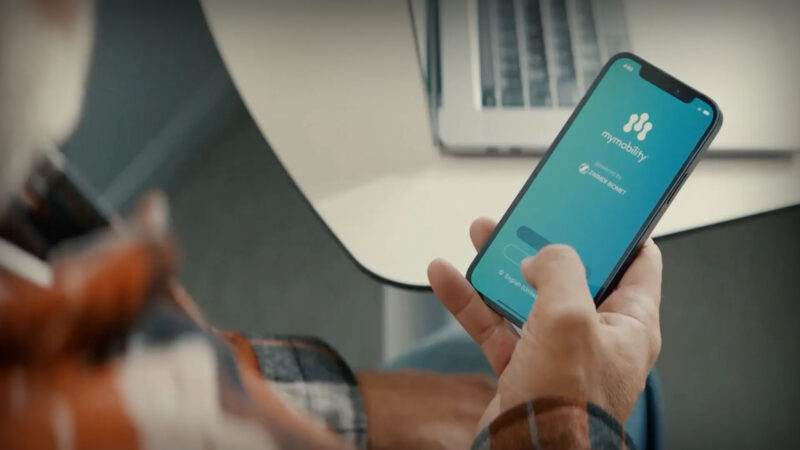
The platform allows practitioners to capture teachable and meaningful moments within sessions and assign personalised tasks to facilitate individual and group progress. Video clips, images, audio recordings, PDFs, links and instruction guides are assembled as needed into tasks. Patients can set reminders and easily access techniques and notes from sessions, allowing for constant progress and engagement.
The role of digital health through the Taskey app helps creates joint clinical outcomes in ensuing progress between allied health sessions.
Darron Goralsky, a physiotherapist with over 30 years of experience, is the Clinical Director and Founder of Melbourne TMJ and Facial Pain Centre. He leads a multidisciplinary team dedicated to treating jaw pain, facial pain, and headaches. Goralsky has observed a rise in musculoskeletal issues among younger populations, largely due to increased screen time and poor posture, trends that intensified during the COVID-19 pandemic. Emphasising technology integration and patient responsibility, he believes digital health solutions play a crucial role in improving adherence and outcomes for both patients and caregivers.
Source: Taskey media release and adapted from interviews
You Might also like
-
Evolution in consumer diagnostics with saliva based pathology
Since the COVID-19 pandemic, consumer diagnostics have rapidly advanced, with more people becoming aware of and comfortable using at-home testing. These tests provide greater convenience, control, and empowerment, allowing individuals to monitor their health without immediately consulting a healthcare professional. Recently, this shift has been particularly impactful in areas such as pregnancy testing, where saliva-based diagnostics now enable earlier and more accessible detection.
-
Landmark brain shape study
For over a century, researchers have thought that the patterns of brain activity that define our experiences, hopes and dreams are determined by how different brain regions communicate with each other through a complex web of trillions of cellular connections.
Now, a Monash University Turner Institute for Brain and Mental Health-led study has examined more than 10,000 different maps of human brain activity and found that the overall shape of a person’s brain exerts a far greater influence on how we think, feel and behave than its intricate neuronal connectivity.
-
Lived experience & human-centred design in healthcare
Recognised as one of the Top 100 Women of Influence by The Australian Financial Review, Melanie Tran is a visionary leader whose work lies at the intersection of design, technology, health, disability, and education. With a focus on human-centred design, digital strategy, and service design, she leads transformative initiatives as a Manager in Design, Digital and Data at Nous Group, a global consulting firm. Her work is driven by a deep passion for using creativity and technology to solve complex social challenges.