IMPACT OF NEXTSENSE INSTITUTE RESEARCH IN THE FIELD OF SENSORY DISABILITIES
With
Professor Greg Leigh AO,
Director, NextSense Institute, Australia &
Conjoint Professor,
Macquarie School of Education
Macquarie University, Sydney
RESEARCH IMPACT
Filmed in Sydney, Australia | June 2025
NextSense, formerly known as the Royal Institute for Deaf & Blind Children, is a not-for-profit established in 1860 that provides dedicated, innovative, and customised services aimed at breaking down barriers for children, adults and families of people with hearing or vision loss.
NextSense has a 165 year history of providing services and education for individuals with sensory impairments. With the support of donations, NextSense provides vital support for children and adults, more cochlear implants than any other service in Australia, and is a world leader for research, technology and professional education in the fields of visions and hearing loss.
NextSense clinicians are actively involved in a number of leading research projects—both independently and in collaboration with local and international organisations.
The NextSense Institute, part of NextSense is Australia’s leading centre for research and professional education in the field of sensory disabilities.
The Institute offers a range of educational programs, including postgraduate degrees, professional development courses, and customised training for educators, therapists, health professionals, and carers. One of its flagship programs is the Master of Disability Studies, delivered in affiliation with Macquarie University, which prepares professionals to work with individuals who are deaf, hard of hearing, blind, or have low vision.
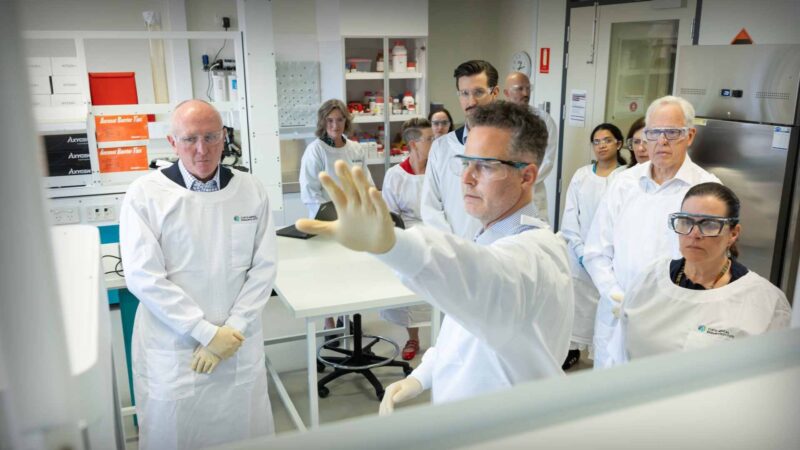
Professor Greg Leigh AO, Director NextSense Institute, talks about 3 areas of research that have had significant impact in it’s delivery of programs and services to Australians and countries across the world.
Through this research, NextSense Institute aims to break down barriers and redefine what is possible for individuals with sensory disabilities, fostering inclusion and enhancing quality of life.
Source: Written by AUDIENCED using source information from the NextSense website
You Might also like
-
CASE STUDY Role of Exercise in Metabolic Associated Fatty Liver Disease
Dr. Shelley Keating AES AEP* is an Accredited Exercise Physiologist, a researcher, and a senior lecturer at the School of Human Movement and Nutrition Sciences at the University of Queensland in Brisbane, Australia. Dr. Keating’s research primarily focuses on the role of exercise in the management of metabolic dysfunction associated steatotic liver disease (MASLD), previously known as non-alcoholic fatty liver disease. MASLD affects a significant portion of the global adult population, with many individuals unaware of their condition.
-
Behavioural science in cancer screening, control and communication
Dr Dodd has an established international reputation as a behavioural scientist in cancer control and communication. Since completing her PhD in 2016, Dr Dodd has been awarded a three-year University of Sydney Postdoctoral Research Fellowship (2018-2021) and a three-year Research Fellowship at The Daffodil Centre (current). Dr Dodd is the co-chair of the ‘Strengthening and optimising approaches to cancer prevention, screening, and early detection’ hub at The Daffodil Centre (with more than 130 staff and students).
-
Iodine in pregnancy on baby brain and nervous system development
Dr Karen Best is Senior Research Fellow in the South Australian Health and Medical Research Institute (SAHMRI) Women and Kids Theme. She is a Registered Midwife with a unique breadth of experience in clinical project management, academic skills and knowledge translation and is committed to better understanding the essential role that modifiable exposures in pregnancy play in setting the foundations for a healthy start to life.