
-
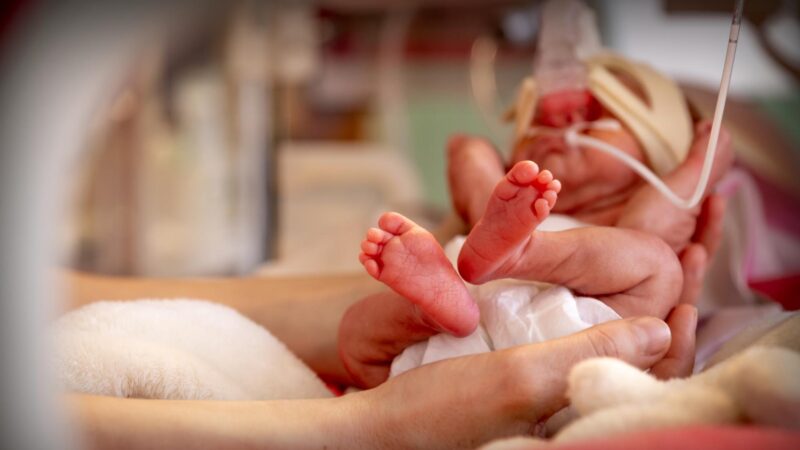
CASE STUDY increasing survival, free of bronchopulmonary dysplasia (BPD) in extremely preterm infants
The aim of the PLUSS trial was to find out if installation of budesonide (a steroid) with surfactant to the lungs of extremely preterm babies helps to prevent lung disease, or Bronchopulmonary dysplasia (BPD).
-
Metabolic phenotyping, lipidomics & bioinformatics in dementia
Dr Luke Whiley is a dementia researcher whose work focuses on understanding how the body’s metabolism, particularly the biology of fats known as lipids, influences our health throughout ageing.
His research explores how the body responds to illness, lifestyle, and environmental stress at a chemical level, and how these responses shape longterm disease risk. Using advanced blood-based measurement technologies, Dr Whiley studies thousands of small molecules at once to build a snapshot of a person’s metabolic health. By combining these measurements with data science approaches, his work identifies biological pathways that become disrupted in disease, providing insight into why some people are more vulnerable to conditions such as dementia.
-
Antimicrobial technologies & drug delivery platforms
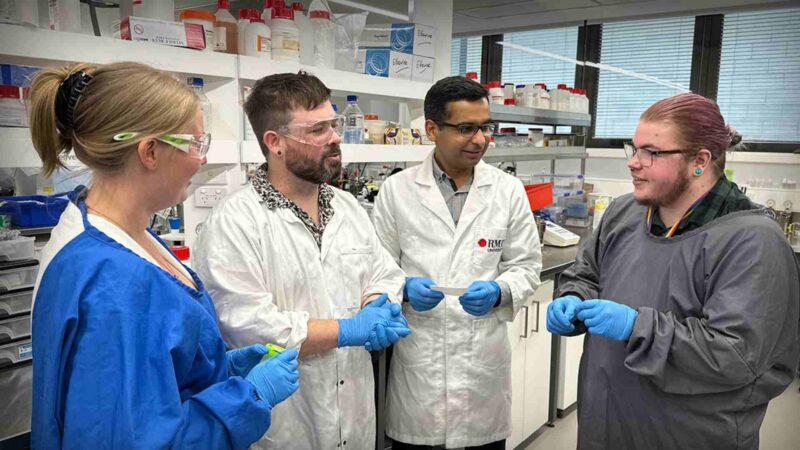
Dr Aaron Elbourne is an ARC DECRA Fellow, Jack Brockhoff ECR Fellow, and Associate Professor within the School of Science at STEM Hub. A leader in nanomaterials, soft matter science, and interface research, Aaron’s work addresses critical challenges in health and the environment.
With a strong focus on translational research, Aaron’s work bridges the gap between fundamental science and practical applications. His leadership in creating innovative technologies, fostering academic-industry partnerships, and empowering future researchers underscores his commitment to advancing science and creating a meaningful impact.
Post Views: 1,161
Forensic psychiatry research in the setting of the justice system

Recent Segments
- Drug delivery of targeted therapies for pancreatic cancer, motor neurone disease
- Physiotherapist-led care for musculoskeletal conditions in the emergency department
- RESEARCH IMPACT: 32 years of understanding, diagnosing, treating & preventing the onset of heart disease
- Research Australia Awards celebrate researchers in life-changing science and discovery
- Connecting Students with Careers in MedTech