Social isolation refers to limited social contact and interaction with others, resulting in feelings of loneliness and disconnection. It disproportionately affects the elderly due to factors like loss of friends and family, retirement, reduced mobility, ageism, and limited access to technology. The elderly are at higher risk of social isolation as they may experience a shrinking social circle and face barriers to social participation. Social isolation has significant detrimental effects on their mental and physical well-being, leading to increased rates of depression, anxiety, cognitive decline, and reduced quality of life. Addressing social isolation among the elderly is crucial for promoting their overall health and happiness.
Social prescribing is a healthcare approach that recognises the importance of social factors in overall well-being. It involves connecting individuals with non-medical activities and community resources to improve their health and quality of life. Healthcare professionals, such as doctors or social workers, “prescribe” activities like art classes, gardening, exercise groups, or support groups, which can address underlying social determinants of health and promote holistic well-being. By addressing social isolation, mental health, and lifestyle factors, social prescribing aims to enhance individual health outcomes and reduce the burden on healthcare services.
Social prescribing provides support in various areas of people’s lives, leading to increased confidence, improved navigation of systems, and enhanced friendships and trust in healthcare, while communities should be designed in an age-friendly way to prevent isolation.
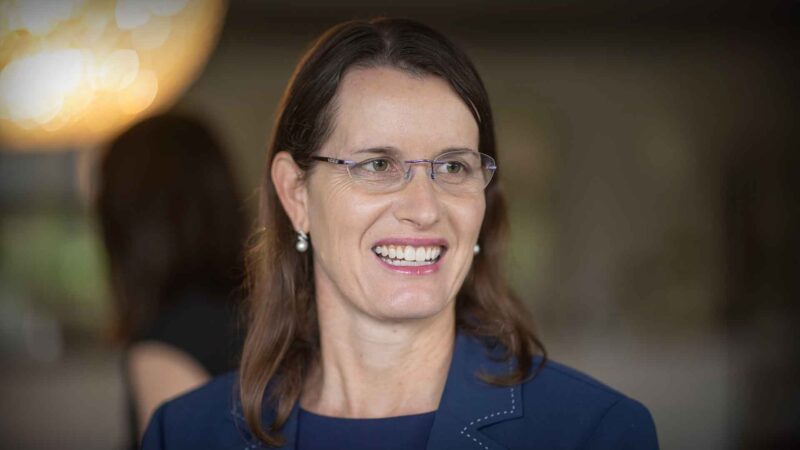
In Part 2 of the Models of Care on Social Prescribing, Australian Health Journal spoke to 4 people involved in the Connect Local program under the Connecting Communities to Care 4 year program. The free program for over 65’s promotes wellbeing through social connection and is underway in the Glen Eira community in Melbourne.
- Deidre McGill, Executive General Manager, At Home Support, Bolton Clarke
- Ann Van Leerdam, Connect Local Community Connector, Bolton Clarke
- Dr Rajna Ogrin, Senior Research Fellow, Bolton Clarke Research Institute, Bolton Clarke
- Dr Daniel Fineberg, Deputy Director General Medicine, Alfred Hospital, Victoria
Also to watch
In Part 1 of the Models of Care on Social Prescribing, Australian Health Journal spoke to 4 people advocating for social prescribing in Australia.
Produced with assistance from Australian Primary Health Care Nurses Association (APNA) and Bolton Clarke
You Might also like
-
Understanding factors of persistent lower back pain in women
Lizzy Quinn is a Musculoskeletal Physiotherapist with 20 years experience focusing on people with spinal pain. Australian Health Journal spoke with Lizzy on the complexities of persistent lower back pain in women.
Lower back pain in women in their 30s, 40s, and 50s is complex to treat due to the combination of physical and emotional factors, and health professionals need to stay updated on best practices and science to provide the best recovery platform for patients. These women typically have busy lives, pressures, and expectations.
-
Upskilling & empowering Health Professionals to support preconception to pre-school level health
A new podcast series, developed by Health and Wellbeing Queensland, is designed to upskill and empower health professionals in their support of parents from preconception through to the pre-school years.
Clinician’s Guide to the First 2000 Days follows the success of Health and Wellbeing Queensland’s first podcast series Clinician’s Guide to Healthy Kids, launched in 2023. Both focus on supporting health professionals to have effective conversations on positive health behaviours.
-
The OT who builds neuro-affirming, trauma-informed therapy environments
Rochelle Mutton is a visionary leader and paediatric occupational therapist, best known for her work in creating neuro-affirming, trauma-informed therapy environments that empower children and families. As the Founder and Lead OT of Motivate Kids in South Australia, she has grown the practice over 8 years from a two-person team into a thriving organisation of over 40 staff across three purpose designed studios.