-
New reimagined identity LifeSciences Australia repositions for sector
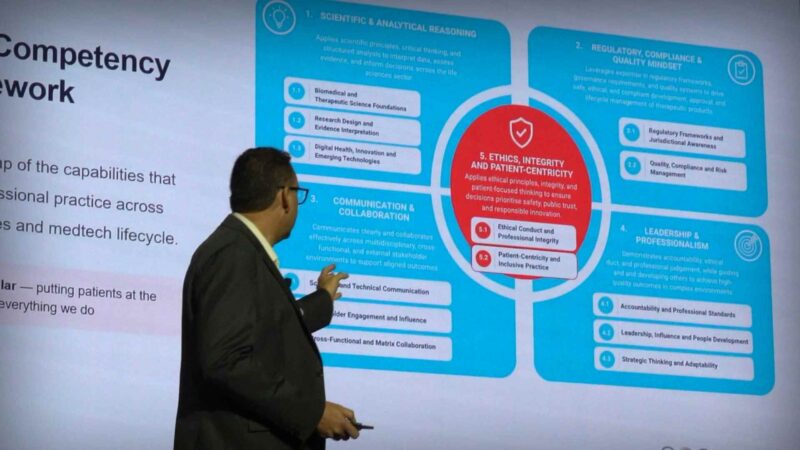
In June 2026, ARCS Australia formally became LifeSciences Australia — a name chosen to reflect the role the organisation plays across Australia’s life sciences sector.
Over more than 40 years, ARCS has grown well beyond its origins as a training and education body for regulatory and clinical specialists. Today, the organisation supports professionals across the entire life sciences sector — from early research through regulation, development and commercialisation — through an expanding range of programs and initiatives.
-
Clinical pain neuroscientist talks about how the brain processes pain information
Persistent pain affects one in five Australians and costs the nation an estimated $73 billion per year in health system costs, lost productivity and other financial costs.
Persistent pain also has debilitating personal costs – negatively impacting quality of life and the ability to engage in meaningful work and life activities.
Despite the enormity of this problem, very few effective treatments exist with most showing only small to moderate improvements. New treatments are desperately needed. The group believes the best way to create impactful change is to work with people with lived experience of persistent pain to devise solutions with them, not for them.
-
Nurse recognised for reducing hospital waste
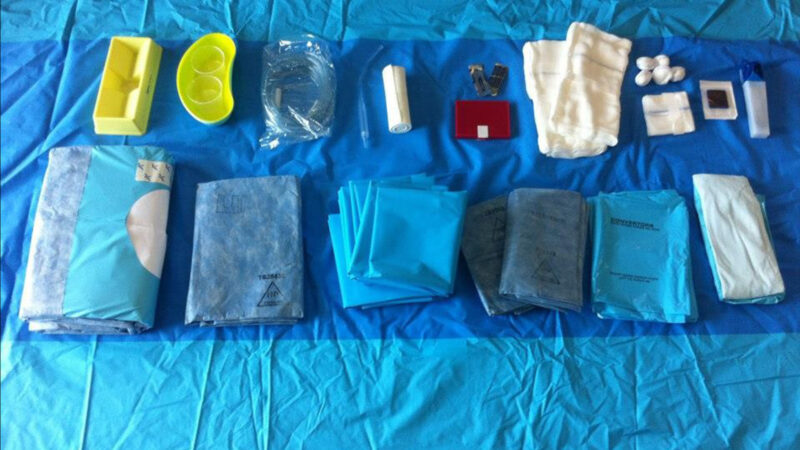
A nurse who started a charity from a granny flat in her parent’s backyard to reduce hospital waste has taken out one of the Australian nursing profession’s most prestigious honours.