
-
Family biz succeeds in vaccine approval & distribution
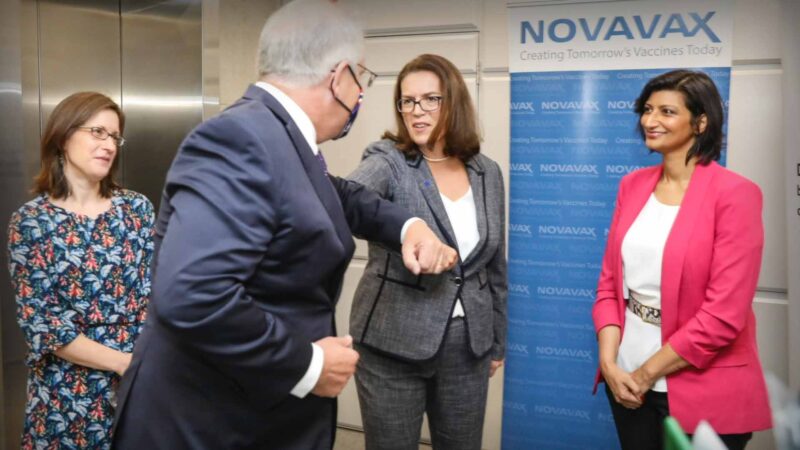
It’s been 10 years since Jenny and Karl Herz started in business. Over the past 10 years they’ve launched Biointelect and Biocelect businesses to help secure approval and distribution for new medicines into Australia.
In this Australian Health Journal interview, Jenny and Karl talk about the journey the husband and wife team took to get the Novavax COVID-19 vaccine (Nuvaxovid) approved and distributed in Australia. The journey didn’t just include talented and diverse skilled staff but also their children working in both organisations.
-
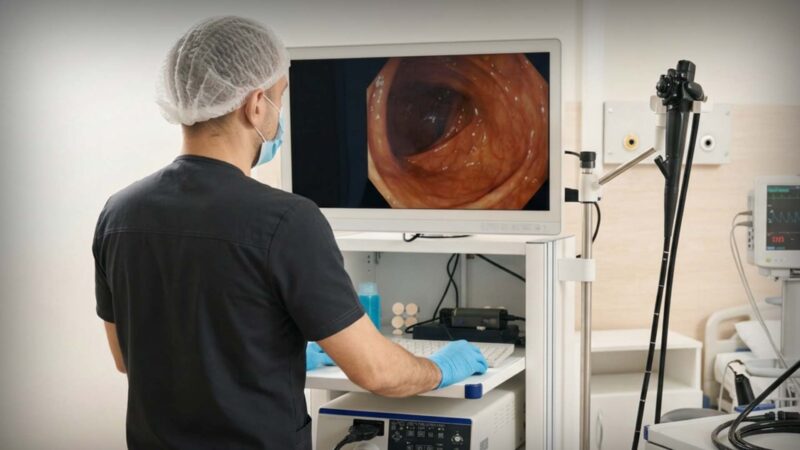
Concerning increases in Non-Alcoholic Fatty Liver Disease and colorectal cancer
Dr Kieran Longley is a Gastroenterologist and Hepatologist committed to providing comprehensive, patient-centred care across a broad spectrum of digestive and liver conditions. He completed his medical degree at the University of Tasmania before undertaking physician training at St Vincent’s Hospital Sydney. Furthering his academic and clinical expertise, he obtained a Master of Science in Internal Medicine from the University of Edinburgh.
-
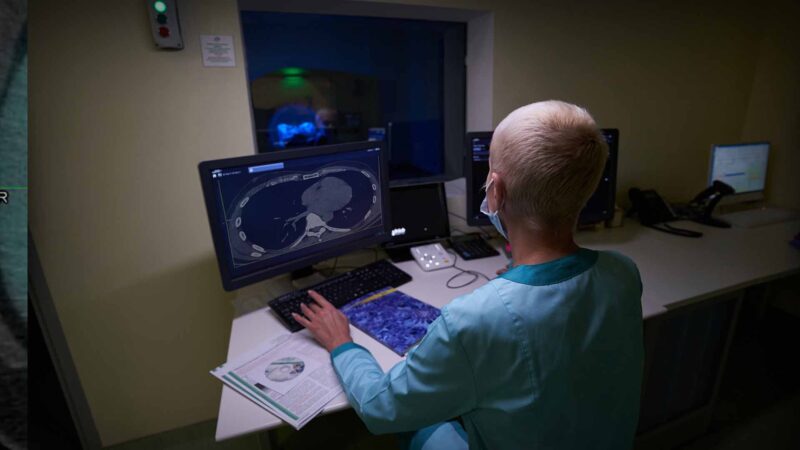
25 years of non-indexation of nuclear medicine impeding access & affordability
The President of the Australasian Association of Nuclear Medicine Specialists (AANMS), Associate Professor Sze Ting Lee spoke with Australian Health Journal about the following:
Usual levels of nuclear medicine services in Australia each year
Current levels of nuclear medicine services in Australia
How changing demographics in people moving to regional areas has impacted access to nuclear medicine services
The nuclear medicine workforce including trainees
The key recommendations from the pre-budget submissionIn the lead up to the Australian Federal Budget in May 2023, Australian Health Journal reached out to peak health industry bodies to hear about their priorities, either noted in pre-budget submissions lodged with Federal Government in January 2023 or in recent forums such as the Strengthening Medicare Taskforce.
Post Views: 2,493
Smart technology in wound care
Recent Segments
- Physiotherapist-led care for musculoskeletal conditions in the emergency department
- RESEARCH IMPACT: 32 years of understanding, diagnosing, treating & preventing the onset of heart disease
- Research Australia Awards celebrate researchers in life-changing science and discovery
- Connecting Students with Careers in MedTech
- HEALTH CARE BRIEF: Shingles (Herpes Zoster)