
-
The desire for primary care nurses to do more, be recognised and valued for the work they do
Denise Lyons is a highly experienced nurse with over 40 years in the profession, including more than 25 years dedicated to primary care. She earned her Bachelor of Science in Nursing in the United States in 1985 and, in 2012, became an endorsed Nurse Practitioner in Australia. Currently, she serves as a primary care Nurse Practitioner in General Practice in Newcastle, where she is committed to delivering high-quality, patient-centred care that improves the health and wellbeing of her community.
-
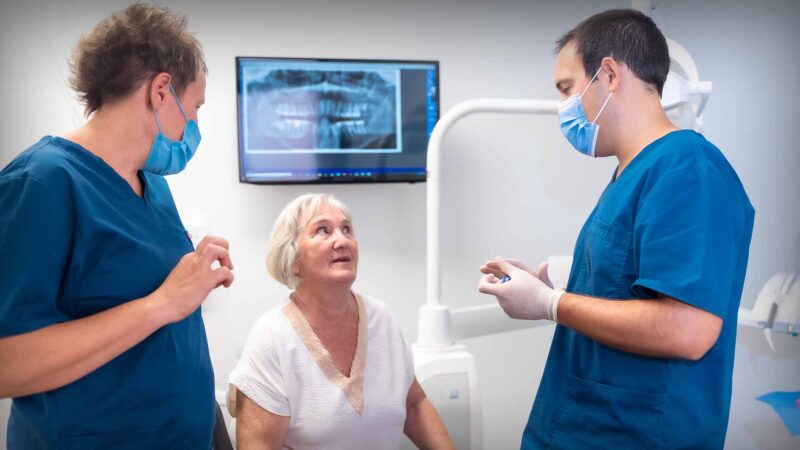
Dental and oral health care priorities for the elderly
In 2023, there are a number of changes occurring in dental services including the start of a new Senate inquiry and new registered nurses in residential aged care. Yet in the meantime there are gaps and delays in dental and oral health interventions for elderly Australians, unless training is more widely deployed.
Australian Health Journal spoke to Leonie Short, a dental therapist working for Seniors Dental Care Australia on what she considers are dental and oral health priorities for the elderly, based on her work in the aged, home and disability sectors.
-
Lens on patient care & allied health workforce across settings
The CEO of Allied Health Professions Australia (AHPA), Bronwyn Morris-Donovan spoke with Australian Health Journal about the following:
The structure and priorities for AHPA
The setting and disciplines in Allied Health
Allied Health representation in the Strengthening Medicare Task Force
Importance of a data strategy and interoperability in delivery of allied health services
Key allied health priorities hopefully addressed in Federal Budget.In the lead up to the Australian Federal Budget in May 2023, Australian Health Journal reached out to peak health industry bodies to hear about their priorities, either noted in pre-budget submissions lodged with Federal Government in January 2023 or in recent forums such as the Strengthening Medicare Taskforce.


Recent Segments
- Growing impact of blood cancer on women
- Pancreatic and lung cancers driven by mutations in the cancer gene KRAS
- Biopsychosocial approaches to obsessive-compulsive, body image and eating disorders
- Nanoparticles & microparticles to combat antimicrobial resistance
- A clinical research career working Sponsor-side, CRO-side to Site-side