-
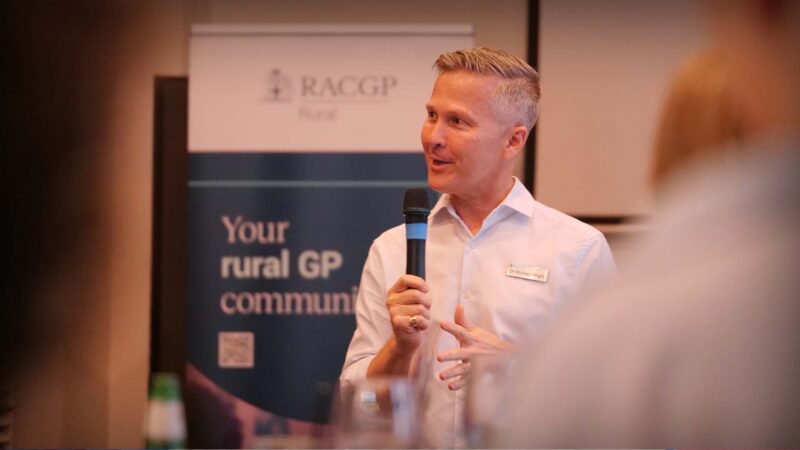
New models of care and value in General Practice
Dr Michael Wright is a GP, health economist and health services researcher. Dr Wright currently works as a portfolio GP, combining clinical practice with strategic appointments (most recently with RACGP, Central and Eastern Sydney Primary Health Network, Avant Mutual the Australian Institute of Health and Welfare) and academic research analysing the effects of current health policy on the quality and performance of primary care.
-
Clinical pathways for acute care in Tasmanian Emergency Departments
Assoc Prof Viet Tran has built Emergency Medicine Research in Tasmania from the ground up, which has culminated in the success of a AUD$3 million Australian Government Medical Research Futures Fund grant looking into the Implementation of Clinical Pathways for Acute Care in Tasmania project. Dr Tran is also the Emergency Medicine Discipline lead within the Tasmanian School of Medicine and has key roles to play within Emergency Medicine training. He feels privileged to be able to teach and mentor across the whole spectrum of becoming a doctor, from watching students grow into junior doctors, senior registrar and as fellow medical specialists.
-
Discovery of RANK Ligand’s role in bone metabolism and the immune system to treat osteoporosis
Emeritus Professor Jack Martin’s research began a discovery cascade that led to the identification of a new protein and the development of a novel and effective drug therapy that is now used worldwide to treat osteoporosis, cancer and other diseases.