
-
Funding the best brains to beat brain cancer
The Charlie Teo Foundation is dedicated to funding and advancing research into brain cancer, with a particular focus on developing more effective treatments and finding a cure for this devastating disease.
Since its inception, the foundation has committed nearly $15 million to brain cancer research, funding notable projects in Australia and the United States. These projects explore innovative approaches to understand and treat brain cancer more effectively, with a focus on translating findings from animal studies to human applications. Charlie’s dedication to finding solutions for this devastating disease remains unwavering as he travels frequently to collaborate with global researchers. -
RESEARCH IMPACT: 35 years of kids’ health research
The Kids Research Institute Australia is one of the largest and most successful medical research institutes in Australia. The Institute has created a blueprint that brings together community, researchers, practitioners, policy makers and funders, who share our vision to improve the health and wellbeing of children through excellence in research. In November 2025, The Kids Research Institute Australia celebrated 35 years of bold ideas, groundbreaking research, and the people who find answers to the big questions about better health outcomes for children and families.
-
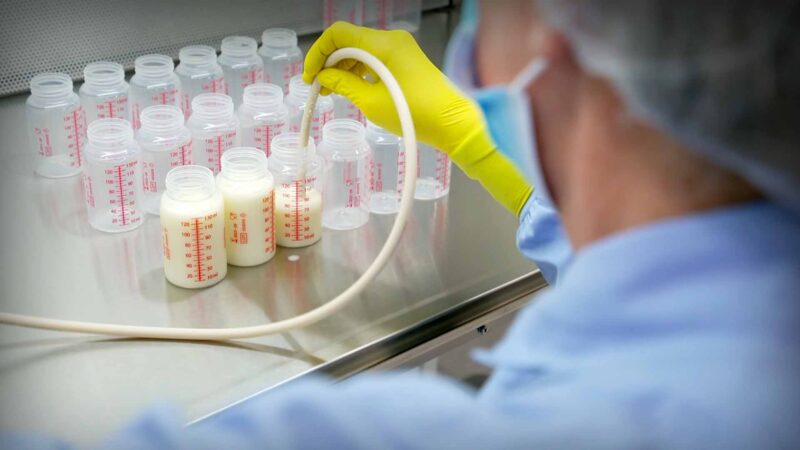
Investigating the benefits of donor human milk for preterm infants
Together, SAHMRI and Lifeblood are leading a consortium to revolutionise the way human milk, and novel products made from human milk, are used as nutritional and medical interventions to improve health outcomes in vulnerable infants, but with potential application for a diverse range of medical indications.
Currently, babies who are born early preterm – before 32 weeks – are given donor milk when their own mother’s milk is not available or in short supply. Whether donor milk is beneficial for babies born just a few weeks early is unclear, as very little research has been undertaken with these babies.
The GIFT Trial will soon commence as an investigation between SAHMRI, the University of Adelaide, the Red Cross Lifeblood Milk Bank conducted at five sites across three states in Australia.
Post Views: 1,509
Relationship between mental illness and mental wellbeing


Recent Segments
- Drug delivery of targeted therapies for pancreatic cancer, motor neurone disease
- Physiotherapist-led care for musculoskeletal conditions in the emergency department
- RESEARCH IMPACT: 32 years of understanding, diagnosing, treating & preventing the onset of heart disease
- Research Australia Awards celebrate researchers in life-changing science and discovery
- Connecting Students with Careers in MedTech