
 https://orcid.org/0000-0003-2743-5197
-
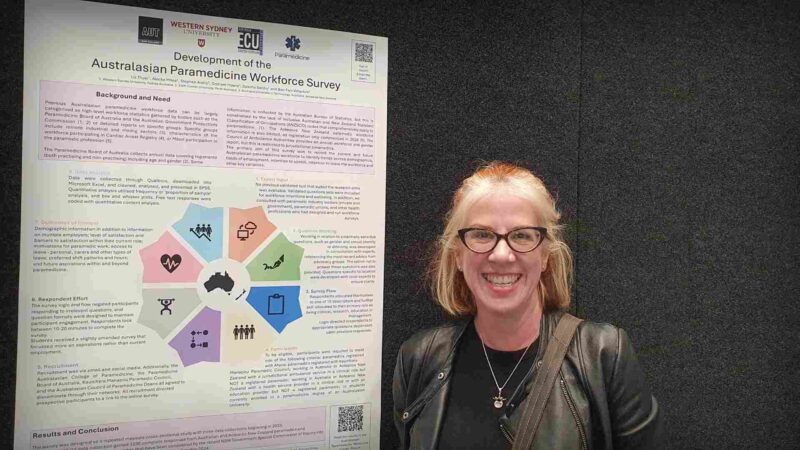
Paramedicine workforce across Australian & New Zealand
Liz Thyer is an Associate Professor in the Western Sydney University Paramedicine program and is passionate about innovations and excellence in health sciences teaching and learning.
She was an advanced life support paramedic with Ambulance Victoria for 11 years including roles as a clinical instructor and peer support officer. She has previously worked at Victoria University with the Paramedic programs and at Deakin University in Learning Futures.
-
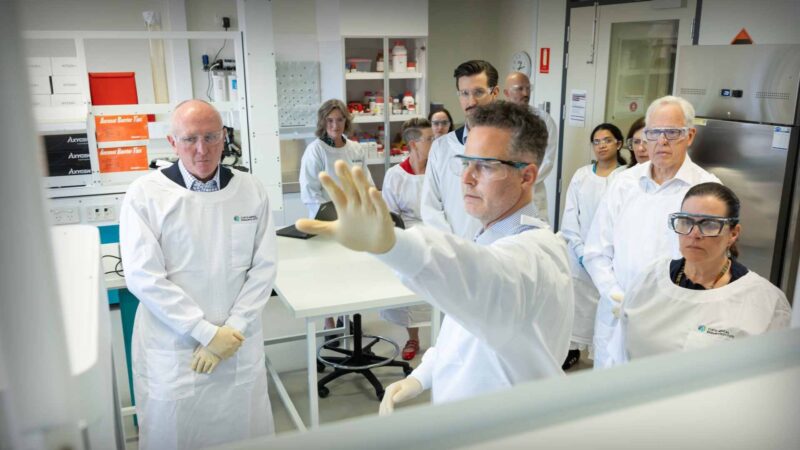
Liver cancer & patient-derived tumour organoids
Dr Benjamin Dwyer is a translational cancer researcher driven by a clear purpose: to ensure discoveries made in the laboratory genuinely improve outcomes for patients.
Based at Curtin University, he established and now leads the organoid platform within the Liver Cancer Collaborative and directs the WA Organoid Innovation Hub, working at the intersection of biology, medicine and biotechnology to accelerate new treatments for liver cancer.
-
Podiatric Research In Children, the workforce and the LGBTQIA+ community
Professor Williams holds the role of Deputy Head of School, School of Primary and Allied Health Care, and course coordinator of the Doctor of Podiatric Medicine degree. She is a podiatrist, and has held professional roles in community health, acute and subacute services in child health care teams, research leadership and professional governance.
Post Views: 1,446
Causal genes and pathogenic mechanisms underlying gastrointestinal diseases

Recent Segments
- Drug delivery of targeted therapies for pancreatic cancer, motor neurone disease
- Physiotherapist-led care for musculoskeletal conditions in the emergency department
- RESEARCH IMPACT: 32 years of understanding, diagnosing, treating & preventing the onset of heart disease
- Research Australia Awards celebrate researchers in life-changing science and discovery
- Connecting Students with Careers in MedTech