
-
Pharmacist Prescribing Model gets further support from state health
A full scope pharmacist prescriber model allows pharmacists to independently prescribe medicines within their professional competence, without requiring prior doctor authorisation. It extends pharmacists’ role beyond dispensing to include assessment, diagnosis of minor and chronic conditions, initiation and modification of therapy, and ongoing patient monitoring. This model integrates pharmacists into primary care teams, aiming to improve timely access to treatment, reduce pressure on general practitioners, and enhance continuity of care. Pharmacists use their clinical knowledge, patient records, and collaborative pathways to ensure safe prescribing. The model emphasises training, regulation, and accountability to maintain high standards of patient safety.
-
Retaining a clinical perspective in macro level changes
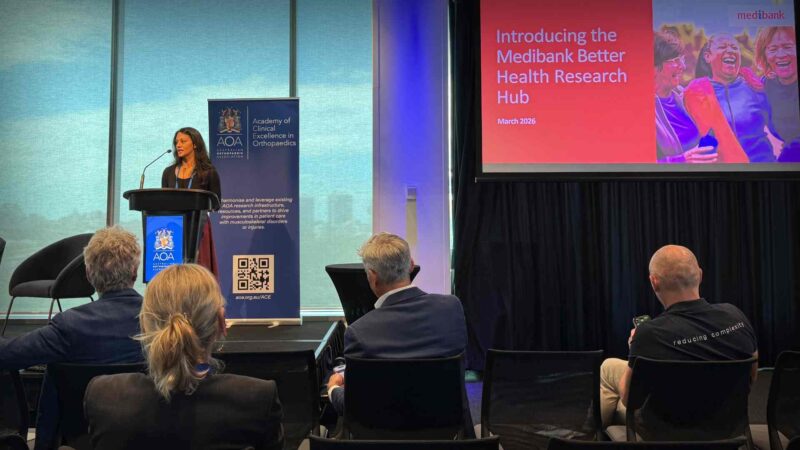
Dr Shona Sundaraj BAppSc (Phty), MBBS, FRACGP, MBA is Group Medical Director at Medibank, bringing over two decades of clinical and systems experience to strategy, research and stakeholder engagement. She leads the Medibank Better Health Research Hub and Chairs the Health Research Governance Committee, guiding stakeholder engagement, competitive grant rounds and partnerships with universities, translational research centres and peak bodies to support evidence based improvement in care.
-
Foundation outlines breast cancer research strategy
Australian Health Journal met with Associate Professor Cleola Anderiesz, CEO of the National Breast Cancer Foundation to hear of the new 5 year Pink Horizon research strategy. Those with lived experience of breast cancer, along with researchers, clinicians, and other funding organisations, have contributed to the development of the foundation’s new five-year Pink Horizon research strategy. This ambitious plan aims to invest $125 million to accelerate research efforts towards the vision of ending deaths from breast cancer.
Post Views: 1,112
Understanding extracellular vesicles in cancer therapy research


Recent Segments
- RESEARCH IMPACT: 32 years of understanding, diagnosing, treating & preventing the onset of heart disease
- Research Australia Awards celebrate researchers in life-changing science and discovery
- Connecting Students with Careers in MedTech
- HEALTH CARE BRIEF: Shingles (Herpes Zoster)
- Large-scale clinical and population-based research