
-
Enhancing occupational therapy service provision with military veterans
Almost half a million Australians have served with the Australian Defence Force. Given the high prevalence of physical and mental health conditions and complexity of civilian life adjustment after military service, high-quality occupational therapy services are critical. However, there is limited description of occupational therapy service provision to individuals funded by the Australian Department of Veterans’ Affairs to inform government policy.
A cross-sectional study, led by Professor Carol McKinstry, Professor of Occupational Therapy and Deputy Dean with La Trobe University’s Rural Health School at the Bendigo campus has used an online survey to collect information from occupational therapists providing services to Department of Veterans’ Affairs clients.
-
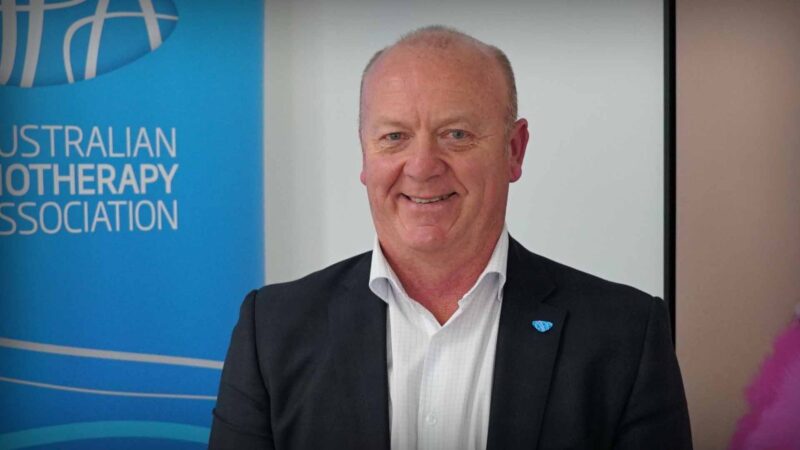
Scott Willis, talks Physiotherapy
Health Executive Leadership Insights (HELI)
Scott Willis, the National President of the Australian Physiotherapy Association talks Physiotherapy -
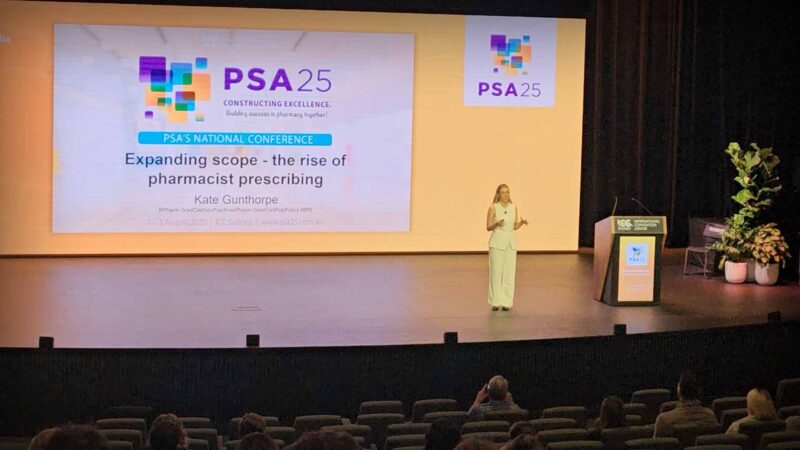
Pharmacist Prescribing Model gets further support from state health
A full scope pharmacist prescriber model allows pharmacists to independently prescribe medicines within their professional competence, without requiring prior doctor authorisation. It extends pharmacists’ role beyond dispensing to include assessment, diagnosis of minor and chronic conditions, initiation and modification of therapy, and ongoing patient monitoring. This model integrates pharmacists into primary care teams, aiming to improve timely access to treatment, reduce pressure on general practitioners, and enhance continuity of care. Pharmacists use their clinical knowledge, patient records, and collaborative pathways to ensure safe prescribing. The model emphasises training, regulation, and accountability to maintain high standards of patient safety.
Post Views: 1,282
The role of genomic screening in transforming public health

Recent Segments
- Research, Mentorship and the PhD Experience
- Immune mechanisms of coeliac disease and gluten-related disorders
- National incubator shifts into gear, announcing vaccine and infectious disease innovation cohort
- LIVED EXPERIENCE: severe aortic valve stenosis (aortic stenosis)
- MedTech Industry invited to NSW Parliament House