
-
Pharmacy led men’s urological health
Men’s urological needs refer to the medical and surgical conditions that affect the male urinary tract system and reproductive organs.
A urologist can address these concerns, however a pharmacy-led model of care developed by Brad Butt, called Mens Health Downunder has offered an alternative to certain urological needs of the male adult population over the past 10 years.
Australian Health Journal met with Brad to hear about his journey, Mens Health Downunder and the impact the pharmacy-led model of care has had on patient’s urological as well as mental health.
-
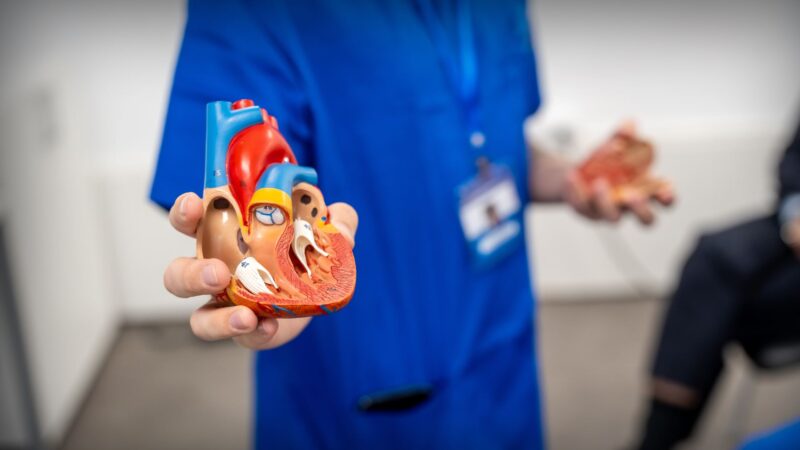
LIVED EXPERIENCE: severe aortic valve stenosis (aortic stenosis)
A Batemans Bay grandfather who dismissed months of breathlessness and fatigue as “just getting older” is now preparing to travel to Singapore to meet the technicians who hand-stitched the heart valve that helped save his life.
In April 2026, retired logistics courier, Geoff Lewis, 75, collapsed in front of his daughter and grandchildren while on holiday in Thailand, after months of symptoms he had ignored. The collapse would lead to a diagnosis of severe aortic stenosis and urgent treatment back home.
-
Raising awareness, engagement and inclusion of Allied Health
Anita Hobson-Powell holds the position of Chief Allied Health Officer for the Australian Government within the Department of Health and Aged Care. With a background as an exercise physiologist and extensive experience leading allied health professional associations*, she has been entrusted with three main priorities. First, she aims to raise awareness about the significance of allied health professionals and their role in the healthcare system. This involves ensuring that decision makers and individuals engaging with health services understand the contributions of allied health professionals.
Post Views: 1,050
Rural allied health mentorship program creates opportunities for students and practice


Recent Segments
- Research, Mentorship and the PhD Experience
- Immune mechanisms of coeliac disease and gluten-related disorders
- National incubator shifts into gear, announcing vaccine and infectious disease innovation cohort
- LIVED EXPERIENCE: severe aortic valve stenosis (aortic stenosis)
- MedTech Industry invited to NSW Parliament House