
-
Sydney North Neighbourhood Health Hubs to approach health and welfare in holistic way
Many people struggle to access the right care at the right time, leading to gaps, delays, and confusion when navigating the health system. By fostering collaboration and integration, the Wellbeing Collaborative will support a primary care system that works better together, making it easier for individuals to receive early intervention and preventative care. By working together and in partnership, Sydney North Health Network aim to create more connected, accessible, and person-centred services that address key health challenges locally, including chronic illness, mental health, aged care, alcohol and other drugs (AOD), and suicide prevention.
-
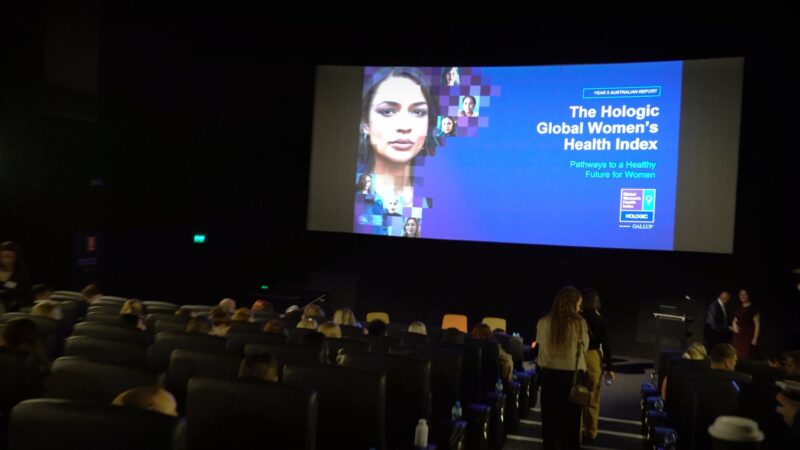
Global Women’s Health report identifies concerning drop in Australian breast cancer screening
The Hologic Global Women’s Health Index is one of the largest global reports dedicated exclusively to women’s health and wellbeing. Now in its fifth year, the Index tracks women’s health across five dimensions , Preventive Care, Emotional Health, Opinions of Health and Safety, Basic Needs and Individual Health – across 144 countries and territories, covering 97 per cent of the global adult population.
-
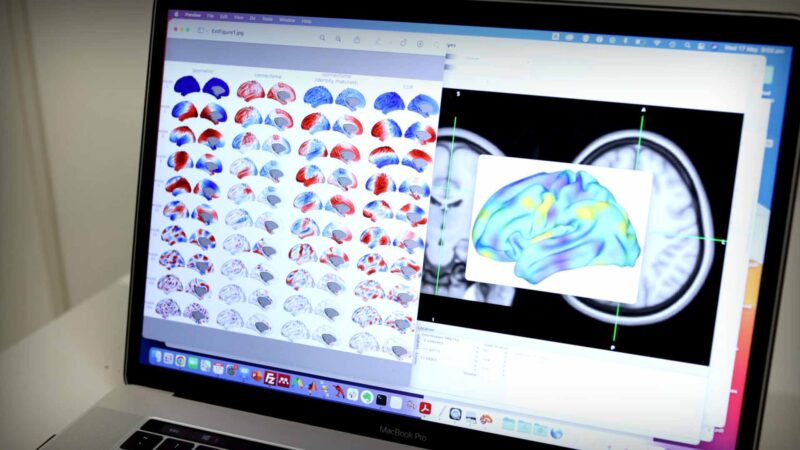
Landmark brain shape study
For over a century, researchers have thought that the patterns of brain activity that define our experiences, hopes and dreams are determined by how different brain regions communicate with each other through a complex web of trillions of cellular connections.
Now, a Monash University Turner Institute for Brain and Mental Health-led study has examined more than 10,000 different maps of human brain activity and found that the overall shape of a person’s brain exerts a far greater influence on how we think, feel and behave than its intricate neuronal connectivity.
Post Views: 9
Roadmapping next phase of Australia’s vaccine success

Recent Segments
- Roadmapping next phase of Australia’s vaccine success
- Potassium-enriched salt in the management of hypertension
- Circular use of medical device technology and evolving policy and regulatory frameworks
- Building trusted technology for women’s reproductive health
- Gut microbiome and gastrointestinal dysfunction in people with autism