
-
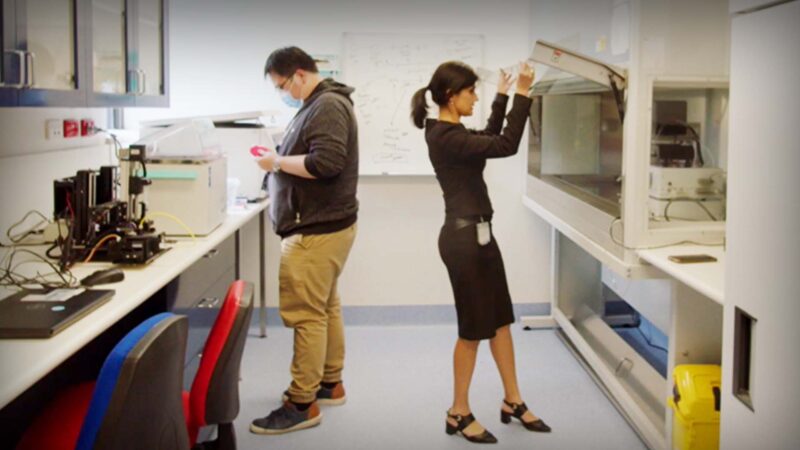
Surgeon-scientist path laid for medical device research
In 2022, Distinguished Professor Gordon Wallace AO and Professor Mukherjee jointly established Beyond Science as a clinician led, academically supported and clinician run Australian-first medical technology translation program.
The program is aimed at early career researchers and clinician-scientists working in medical device research specifically in otolaryngology (ear, nose, and throat), head and neck surgery.
-
Australasian College of Paramedicine makes case for multi-disciplinary care
Despite being seen primarily as emergency responders, paramedics have long been providing care in the primary care space. As such, their increased involvement in primary and urgent care is a natural progression that can lead to improved health outcomes for communities. Urgent care clinics, which treat non-life-threatening injuries and illnesses, have been a recent introduction. However, when these clinics were initially proposed, paramedics were left out of the opportunity, despite being experts in urgent, acute, unplanned, and unscheduled care. They work in these types of situations every day in the ambulance service and should be utilised in these clinics to improve patient outcomes. Working as part of multidisciplinary teams with doctors and nurses can further enhance the outcomes for local communities.
-
From paediatric nursing to leadership & private hospital general management
With over 20 years of experience in the Australian and international healthcare sectors, Georgia Banks is a dedicated and results-driven health professional with a proven track record in clinical, financial, human resources, and strategic management. Passionate about delivering high-quality patient care, Georgia possesses an authentic leadership style that fosters engagement, collaboration, and continuous improvement.
Currently serving as General Manager at Hobart Private Hospital within Healthscope, Georgia has been instrumental in driving operational excellence, enhancing patient experience, and supporting staff development. Her leadership has played a key role in aligning hospital services with strategic priorities while fostering a culture of accountability and innovation.
Post Views: 1,942
Peak body in child and family services urges prioritising healthcare for kids in care


Recent Segments
- Research, Mentorship and the PhD Experience
- Immune mechanisms of coeliac disease and gluten-related disorders
- National incubator shifts into gear, announcing vaccine and infectious disease innovation cohort
- LIVED EXPERIENCE: severe aortic valve stenosis (aortic stenosis)
- MedTech Industry invited to NSW Parliament House