
-
Reflecting on a pivotal year for pharmacy
Dr. Kate Wang, a Senior Lecturer in Pharmacy at RMIT University and Adjunct Senior Lecturer, University of Western Australia, has over a decade of experience in both hospital and community pharmacy settings.
Dr Wang spoke to Australian Health Journal on some of the key topics in 2024 that have been pivotal as a pharmacist, academic and researcher for the pharmacy profession.
-
Australasian College of Paramedicine makes case for multi-disciplinary care
Despite being seen primarily as emergency responders, paramedics have long been providing care in the primary care space. As such, their increased involvement in primary and urgent care is a natural progression that can lead to improved health outcomes for communities. Urgent care clinics, which treat non-life-threatening injuries and illnesses, have been a recent introduction. However, when these clinics were initially proposed, paramedics were left out of the opportunity, despite being experts in urgent, acute, unplanned, and unscheduled care. They work in these types of situations every day in the ambulance service and should be utilised in these clinics to improve patient outcomes. Working as part of multidisciplinary teams with doctors and nurses can further enhance the outcomes for local communities.
-
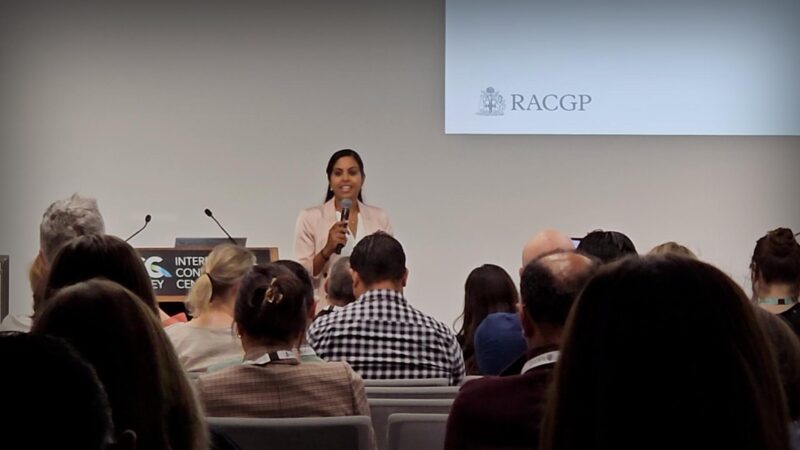
Fulfilling clinical, academic & research goals in General Practice
Dr Ramya Raman is a Specialist General Practitioner, medical educator, and health policy leader. Raised in Orange in Central West NSW, where she lived for over 15 years, she brings a deep, lived understanding of rural and community healthcare to her work.
Post Views: 315
LIVED EXPERIENCE: Spontaneous Coronary Artery Dissection (SCAD)


Recent Segments
- Physiotherapist-led care for musculoskeletal conditions in the emergency department
- RESEARCH IMPACT: 32 years of understanding, diagnosing, treating & preventing the onset of heart disease
- Research Australia Awards celebrate researchers in life-changing science and discovery
- Connecting Students with Careers in MedTech
- HEALTH CARE BRIEF: Shingles (Herpes Zoster)