
-
Delivering anaesthetic services to countries where surgical services can’t be provided
Dr Wendy Falloon is an Anaesthetist of over 30 years experience and a Fellow of Australian and New Zealand College of Anaesthetists (ANZCA). She studied medicine at the University of Tasmania, and worked in Hobart, Sydney and the Uk while completing her specialist qualifications. Her primary professional focus has always been to deliver the best possible experience of anaesthesia to each and every patient, and for them to know that she sees and values them, and their stories.
Having been born in Africa, she realised even as a child that health and wealth were largely a product of where people happen to be born. This sowed the seed of her ongoing desire to be of help to others in less fortunate circumstances, ultimately leading to her volunteer work with the Mercy Ships charity. This is one of the most fulfilling aspects of her career, and she has volunteered in Africa with Mercy Ships 8 times since 2014.
-
Early detection & surveillance guides for pancreatic cancer
Pancreatic cancer remains one of Australia’s deadliest cancers, with five-year survival rates hovering at just 14%, with little improvement over several decades. Often called the ‘silent killer’, the disease frequently presents with minimal or vague symptoms, resulting in late diagnoses and poor outcomes. Pancare Foundation is leading the rollout of new clinical resources and surveillance guides to support healthcare professionals in identifying at-risk patients and promoting early detection.
-
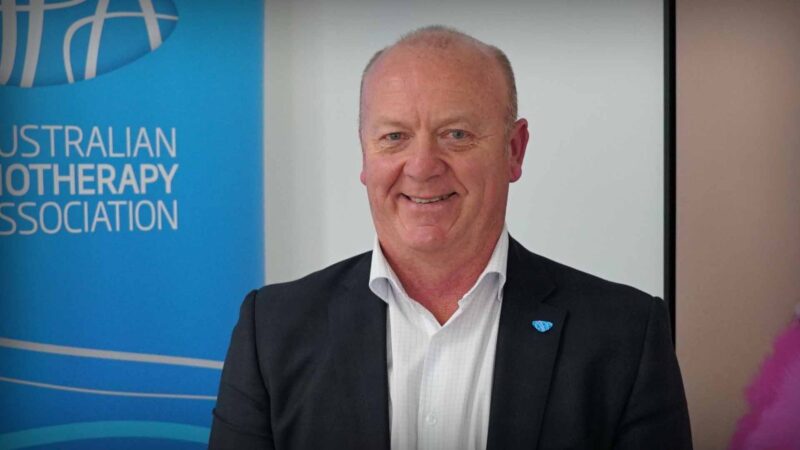
Scott Willis, talks Physiotherapy
Health Executive Leadership Insights (HELI)
Scott Willis, the National President of the Australian Physiotherapy Association talks Physiotherapy
Post Views: 1,112
Expansion of specialist training in regional & rural areas

Recent Segments
- Sydney North Neighbourhood Health Hubs to approach health and welfare in holistic way
- Evolution in consumer diagnostics with saliva based pathology
- Course developed for people with intellectual disability to learn about research
- Harnessing the skillset and availability of the nation’s Exercise Physiologists and Scientists
- HEALTH CARE BRIEF: Type 1 Diabetes (T1D)