
 https://orcid.org/0000-0001-9048-9580
-
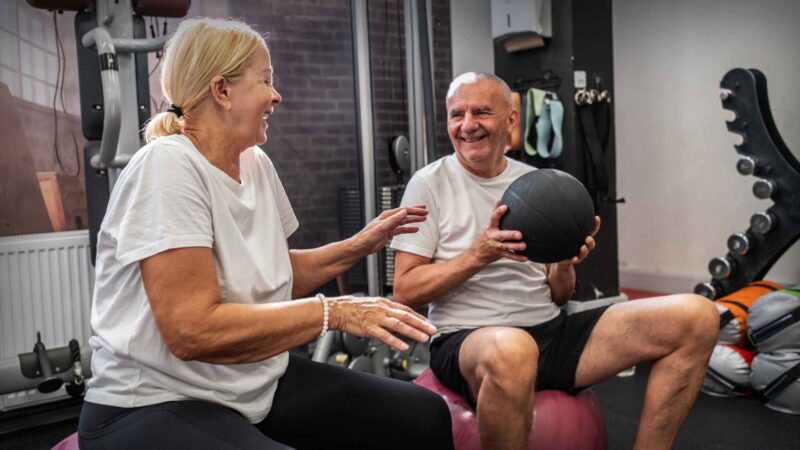
Gerontological physiotherapy in falls prevention and prehabilitation
Dr Rik Dawson is a gerontological physiotherapist and health leader dedicated to improving healthy ageing through evidence-based physiotherapy, digital health and health system reform. As a Postdoctoral Researcher at the Institute for Musculoskeletal Health, University of Sydney, and President of the Australian Physiotherapy Association, he combines research and policy to improve access to high quality care for older people.
-
Electrical stimulation on organic conductors
Professor Gordon Wallace AO is the Founder and Director of the Intelligent Polymer Research Institute (IPRI) at the University of Wollongong and Founding Director of the Australian National Fabrication Facility (ANFF) Materials Node. He was previously the Executive Director of the ARC Centre of Excellence for Electromaterials Science (ACES).
-
Good and bad extracellular vesicles in health and disease
Associate Professor Joy Wolfram has joint appointments in the School of Chemical Engineering and the Australian Institute for Bioengineering and Nanotechnology at The University of Queensland, and through her work at the AIBN, she aims to develop a new paradigm of therapeutics (using nanotechnology and cell products) to treat life-threatening diseases that are major causes of death globally, including cardiovascular disease, kidney disease, and breast cancer.
Post Views: 14
Developing safer and more effective treatment options for acute lymphoblastic leukaemia

Recent Segments
- Developing safer and more effective treatment options for acute lymphoblastic leukaemia
- Pregnancy outcomes, stillbirth prevention and environmental health
- Addressing Australia’s Bowel Cancer Screening Participation Gap
- Cellular and molecular mechanisms of skeletal muscle repair and regeneration
- Driven by purpose, defined by generosity and guided by a vision for better health