
 https://orcid.org/0000-0003-4778-8360
-
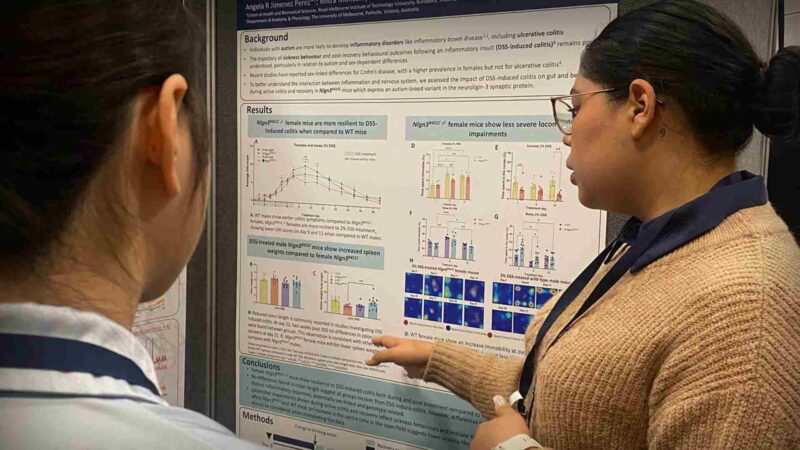
Influence of gut microbes and inflammation on brain function and behaviour in autism
Third-year PhD candidate Angela Jimenez is part of the Gut-Brain Axis Laboratory at RMIT University in Melbourne, Australia. Angela holds a bachelor’s degree in neuroscience (Honours) from the National Autonomous University of Mexico (UNAM), and her doctoral research is currently supported by the RMIT–Mexico International Scholarship program.
-
CASE STUDY increasing survival, free of bronchopulmonary dysplasia (BPD) in extremely preterm infants
The aim of the PLUSS trial was to find out if installation of budesonide (a steroid) with surfactant to the lungs of extremely preterm babies helps to prevent lung disease, or Bronchopulmonary dysplasia (BPD).
-
Causal genes and pathogenic mechanisms underlying gastrointestinal diseases
Professor D’Amato has more than 25 years research experience in the field of human genetics and complex diseases, with activities most recently geared towards a translational application for therapeutic precision in gastroenterology. His team, the Gastrointestinal Genetics Laboratory, combine leading expertise in genomic, computational and pre-clinical research, and have contributed important breakthroughs linking specific genes and pathogenetic mechanisms to a number of gastrointestinal diseases like inflammatory bowel disease (IBD), microscopic colitis (MC) and irritable bowel syndrome (IBS).
Post Views: 15
Vascular cognitive impairment and dementia


Recent Segments
- Vascular cognitive impairment and dementia
- Medical device regulations evolve for Australian innovators with European ambitions
- NSW political candidates outline policy priorities in Great Health Debate
- Roadmapping next phase of Australia’s vaccine success
- Potassium-enriched salt in the management of hypertension