
-
Dental and oral health care priorities for the elderly
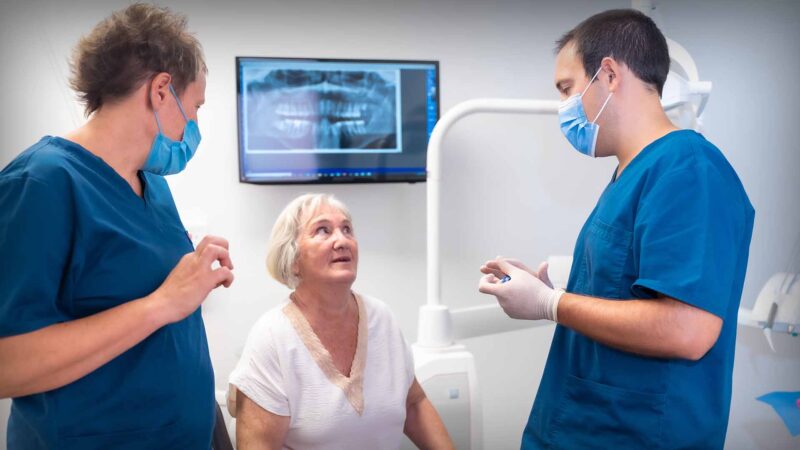
In 2023, there are a number of changes occurring in dental services including the start of a new Senate inquiry and new registered nurses in residential aged care. Yet in the meantime there are gaps and delays in dental and oral health interventions for elderly Australians, unless training is more widely deployed.
Australian Health Journal spoke to Leonie Short, a dental therapist working for Seniors Dental Care Australia on what she considers are dental and oral health priorities for the elderly, based on her work in the aged, home and disability sectors.
-
FULL FEATURE Consumers and communities as agents of health care change and improvement
Policymakers, health administrators and clinicians must learn and embrace new ways to harness the transformative role consumers, community members and carers can play. Conversely, consumers and communities need support, capability and capacity to engage as equals in policy, research, program and service design. This is necessary if are to be less technocratic and realise the vision where all members of society can live the best life possible.
-
30 years on, Viertel Foundation legacy continues
One of Australia’s largest charitable foundations, the Sylvia and Charles Viertel Charitable Foundation, is celebrating three decades of transforming Australian healthcare – with more than $90 million invested in medical research and a legacy of breakthroughs that are saving lives. Viertel Fellowships support some of Australia’s best and brightest researchers and clinicians, with 70 Fellowships awarded to date.
Post Views: 174
Medical device regulations evolve for Australian innovators with European ambitions

Recent Segments
- Cellular and molecular mechanisms of skeletal muscle repair and regeneration
- Driven by purpose, defined by generosity and guided by a vision for better health
- Physiotherapist-led care for musculoskeletal conditions in the emergency department
- Reaching new immune health frontiers through collaborations & industry engagement
- 3D printing, bioprinting & stem cell tech in articular cartilage regeneration and treating osteosarcoma