
-
The next era of dental care
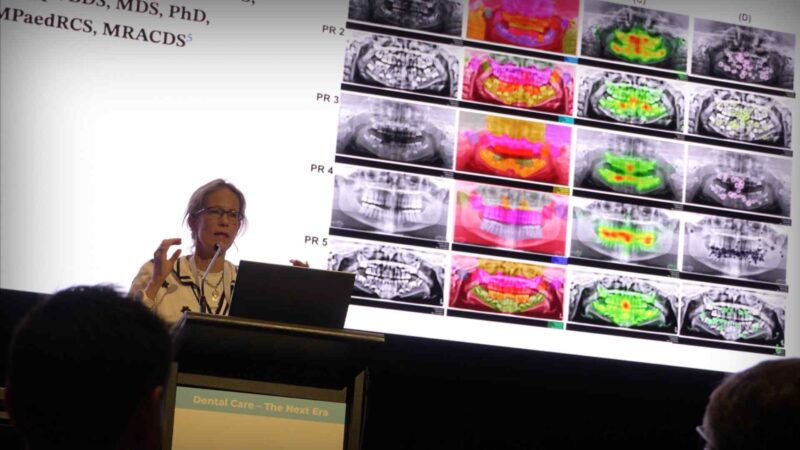
In September 2026, the Royal Australasian College of Dental Surgeons returned with its bi-annual, Fine Edge of Dentistry 2026 Conference.
The conference was held is Sydney and was also an opportunity to honour recent outstanding contributions and achievements from College Members and Fellows, within the curated scientific program.
-
Global MedTech company brings device reprocessing plant to Australia
Cardinal Health is global medical products manufacturer and leading provider of single-use device reprocessing services in the U.S. In Australia and New Zealand, as one of the largest suppliers of medical devices, announced on 23 May 2024 that it will be opening a single-use medical device reprocessing facility in Australia – its first reprocessing facility outside the United States.
On 18 March 2025 at the Health Innovation Living Lab at the John Hunter Hospital, a further announcement was made, on the chosen single-use medical device remanufacturing facility in Beresfield, Newcastle, set to commence operation late 2025, supported by the NSW Department of Primary Industries and Regional Development.
-
Message from former Australian Health Minister Hon Greg Hunt
The Honourable Greg Hunt served in the Australian Government as Minster for Health and Aged Care from 2017, previously as Industry, Innovation and Science Minister and before that the Environment Minister.
Elected as the Member for Flinders in 2001, Greg announced his retirement from politics late 2021 and in 2022, ahead of the Federal Election, having completed 20 years as a public servant.
Australian Health Journal recently caught up with Greg in a relaxed interview at his home in the Mornington Peninsula, Victoria to hear how a 9 month sabbatical has allowed him to focus on family, fitness and future. This has even included some “brutal spin cycle classes!”.
Post Views: 659
Harnessing the skillset and availability of the nation’s Exercise Physiologists and Scientists


Recent Segments
- Physiotherapist-led care for musculoskeletal conditions in the emergency department
- RESEARCH IMPACT: 32 years of understanding, diagnosing, treating & preventing the onset of heart disease
- Research Australia Awards celebrate researchers in life-changing science and discovery
- Connecting Students with Careers in MedTech
- HEALTH CARE BRIEF: Shingles (Herpes Zoster)