
 https://orcid.org/0000-0002-9088-4799
-
Investigating the benefits of donor human milk for preterm infants
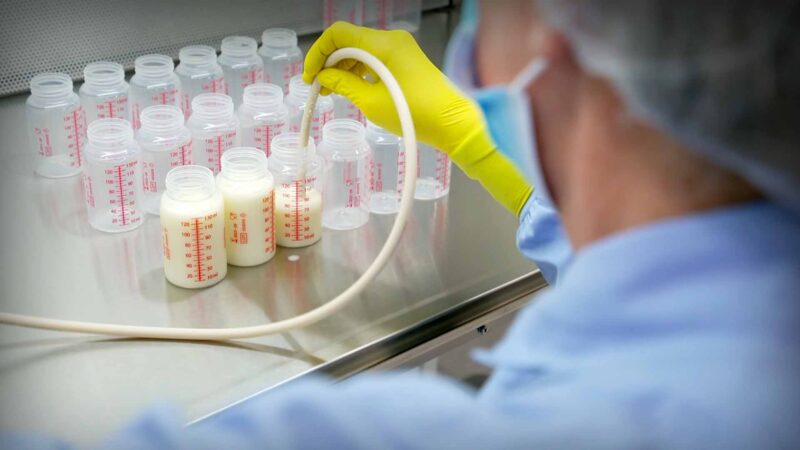
Together, SAHMRI and Lifeblood are leading a consortium to revolutionise the way human milk, and novel products made from human milk, are used as nutritional and medical interventions to improve health outcomes in vulnerable infants, but with potential application for a diverse range of medical indications.
Currently, babies who are born early preterm – before 32 weeks – are given donor milk when their own mother’s milk is not available or in short supply. Whether donor milk is beneficial for babies born just a few weeks early is unclear, as very little research has been undertaken with these babies.
The GIFT Trial will soon commence as an investigation between SAHMRI, the University of Adelaide, the Red Cross Lifeblood Milk Bank conducted at five sites across three states in Australia.
-
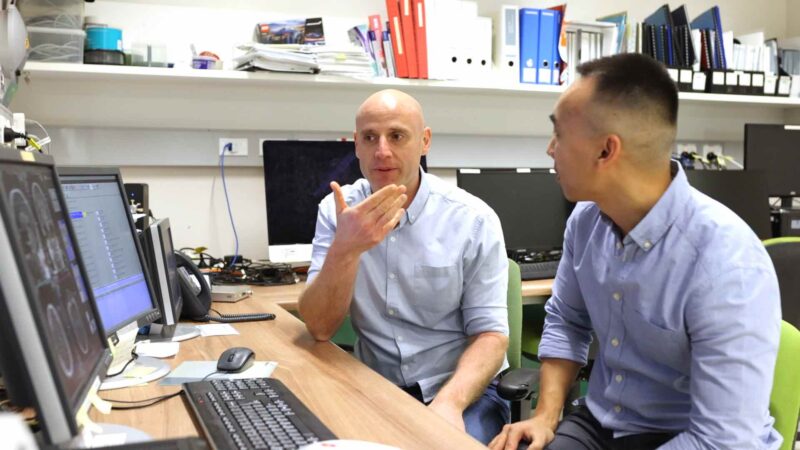
Professor Alex Fornito
PROFESSOR ALEX FORNITO
HEAD OF THE BRAIN MAPPING AND MODELLING RESEARCH PROGRAM
TURNER INSTITUTE FOR BRAIN AND MENTAL HEALTH, MONASH UNIVERSITY
VICTORIA, AUSTRALIA -
Role of metabolic dysfunction in advanced prostate cancer
Dr Gunter was drawn to the area of prostate cancer research and the intersection between chronic metabolic disorders and their emerging relationship to cancer. Her strengths include expertise in the metabolic syndrome, insulin signalling and metabolism, and she has a demonstrated record of successful and productive research projects in metabolic research where she now applies her efforts to understanding the role of metabolic dysfunction in advanced prostate cancer.
Post Views: 555
Metabolic phenotyping, lipidomics & bioinformatics in dementia

Recent Segments
- Drug delivery of targeted therapies for pancreatic cancer, motor neurone disease
- Physiotherapist-led care for musculoskeletal conditions in the emergency department
- RESEARCH IMPACT: 32 years of understanding, diagnosing, treating & preventing the onset of heart disease
- Research Australia Awards celebrate researchers in life-changing science and discovery
- Connecting Students with Careers in MedTech