
 https://orcid.org/0000-0002-6432-4587
-
Paramedics in the Community
Dr Brendan Shannon is a registered paramedic and Head of Postgraduate Programs and Deputy Head of Department of Paramedicine at Monash University.
Brendan has a keen research interest in alternative care pathways, non-transport, referral services, paramedic practitioners and community paramedicine. His Doctoral research focused on investigating the experiences of health services when implementing alternative care pathways.
-
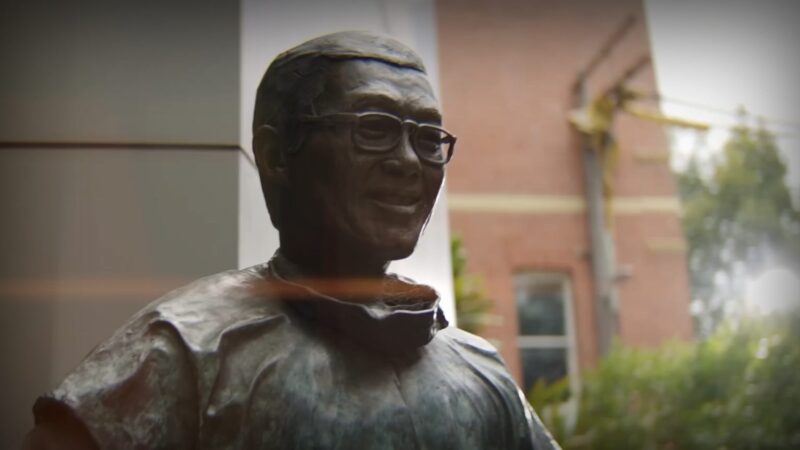
RESEARCH IMPACT: 32 years of understanding, diagnosing, treating & preventing the onset of heart disease
The Victor Chang Cardiac Research Institute is dedicated to finding cures for cardiovascular disease through world-class and cutting-edge medical research.
The Institute’s team seeks to discover better ways of understanding, diagnosing, treating, and preventing the onset of heart disease. It is committed to ensuring its research breakthroughs are rapidly translated into advances in clinical care.
-
Clinical pathways for acute care in Tasmanian Emergency Departments
Assoc Prof Viet Tran has built Emergency Medicine Research in Tasmania from the ground up, which has culminated in the success of a AUD$3 million Australian Government Medical Research Futures Fund grant looking into the Implementation of Clinical Pathways for Acute Care in Tasmania project. Dr Tran is also the Emergency Medicine Discipline lead within the Tasmanian School of Medicine and has key roles to play within Emergency Medicine training. He feels privileged to be able to teach and mentor across the whole spectrum of becoming a doctor, from watching students grow into junior doctors, senior registrar and as fellow medical specialists.
Post Views: 1,283
Infections and other lung diseases using models of human lung tissue grown from stem cells


Recent Segments
- Drug delivery of targeted therapies for pancreatic cancer, motor neurone disease
- Physiotherapist-led care for musculoskeletal conditions in the emergency department
- RESEARCH IMPACT: 32 years of understanding, diagnosing, treating & preventing the onset of heart disease
- Research Australia Awards celebrate researchers in life-changing science and discovery
- Connecting Students with Careers in MedTech