
-
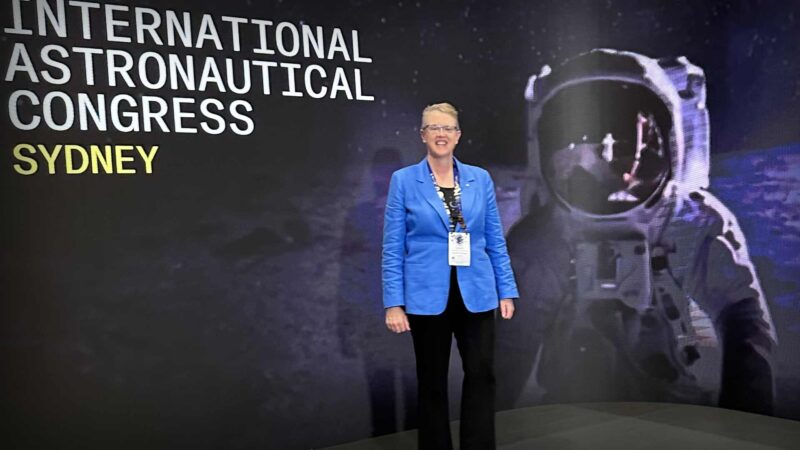
Space Health & Medicine on Australia’s Clinical Launchpad
Professor Smart is a veteran, medical doctor, health leader, aerospace medicine specialist, and retired Royal Australian Air Force (RAAF) senior officer. She is currently at the Professor, Military and Aerospace Medicine at the Australian National University (ANU), and serves as the Interim Director of the ANU Defence Institute, and as a Mission Specialist at the ANU Institute for Space. She previously served as the University’s COVID-19 Public Health Lead from 2020 to 2022.
-
LIVED EXPERIENCE: Complex Regional Pain Syndrome (CRPS)
Lachlan Thorpe has shared his experience of living with complex regional pain syndrome (CRPS), highlighting the profound impact the condition had on his life and the difference medical technology has made to his recovery.
In an interview with the Australian Health Journal, Thorpe explained that his CRPS developed following an ankle injury sustained while playing rugby for Sydney University Rugby Club in late 2024. After undergoing surgery and rehabilitation for the injury, he began experiencing severe pain, swelling and sensitivity despite there being no further orthopaedic damage.
-
Cost of living relief for students training in national skills shortage fields
The Australian Government is expanding the Commonwealth Prac Payment to eligible students in 10 additional frontline allied health disciplines, providing financial support during mandatory university placements.
From 1 July 2027, eligible students studying audiology, pharmacy, radiography, clinical psychology, physiotherapy, rehabilitation therapies, occupational therapy, podiatry, speech pathology and paramedicine will be able to access the payment.
Post Views: 2,376
Elevating Professional Standards in the Medtech and Pharmaceutical Sector

Recent Segments
- Research, Mentorship and the PhD Experience
- Immune mechanisms of coeliac disease and gluten-related disorders
- National incubator shifts into gear, announcing vaccine and infectious disease innovation cohort
- LIVED EXPERIENCE: severe aortic valve stenosis (aortic stenosis)
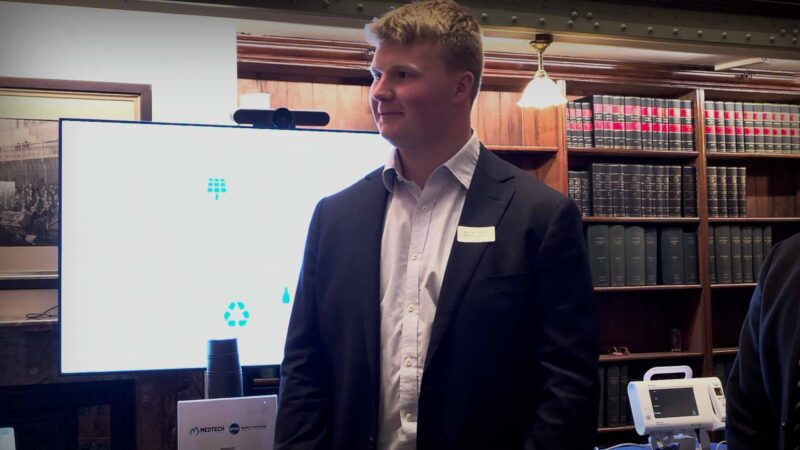
- MedTech Industry invited to NSW Parliament House